
Puerto Galera, Philippines
Our Philippines trip was an oddly random one. We were attending the Long Island Diver’s Association (LIDA) Film Festival and entered the festival raffle and ended up winning a dive trip to Marco Vincent Dive Resort in Puerto Galera. Not being people to pass on a free dive trip we decided the Philippines would be our next dive trip.
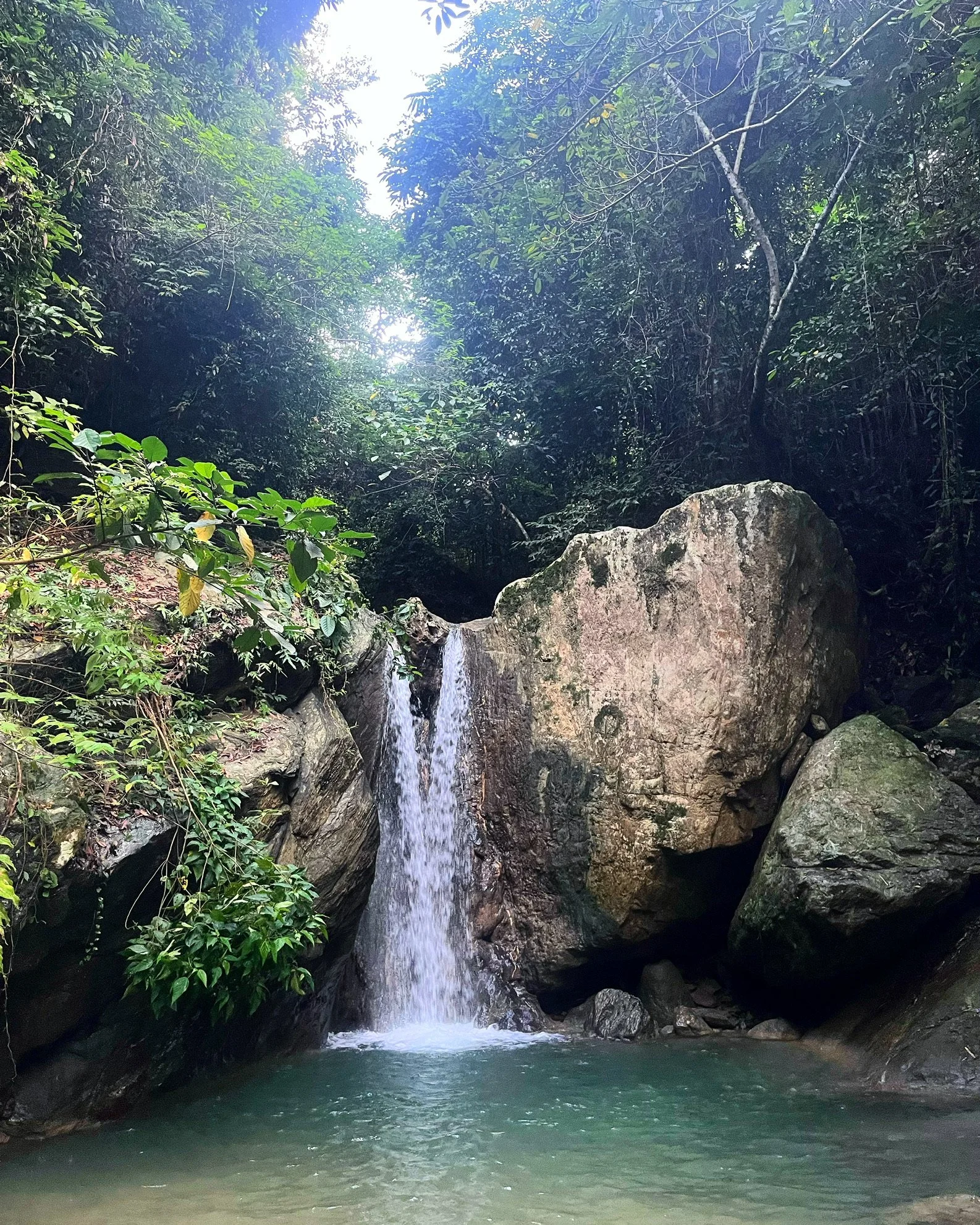
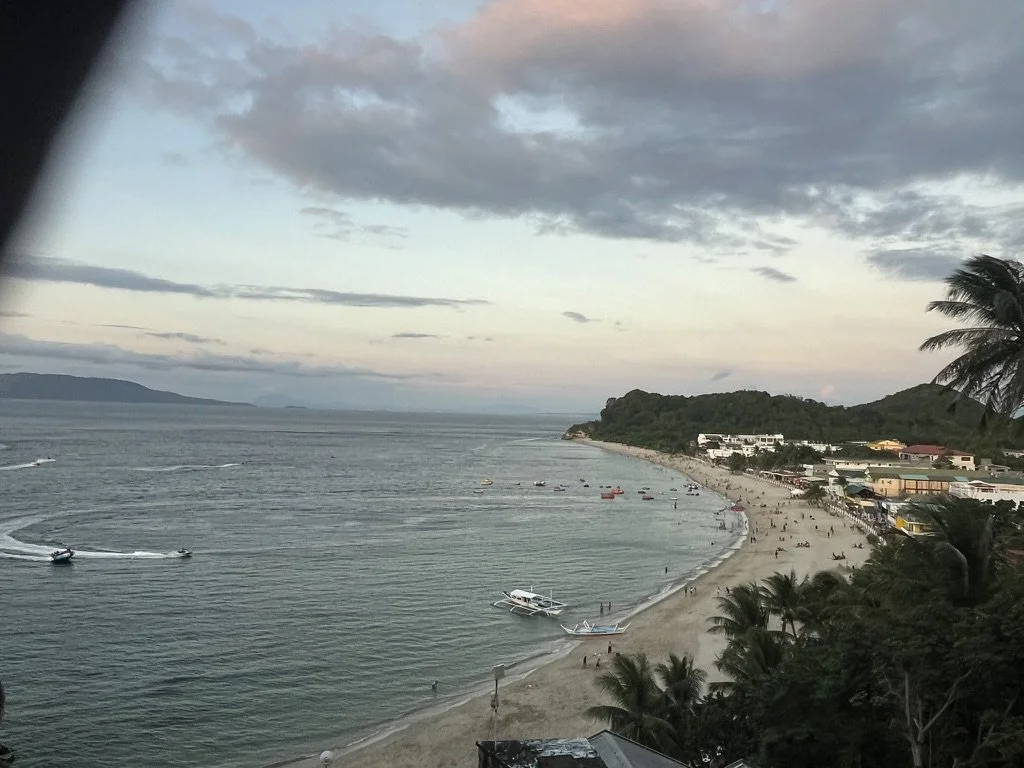
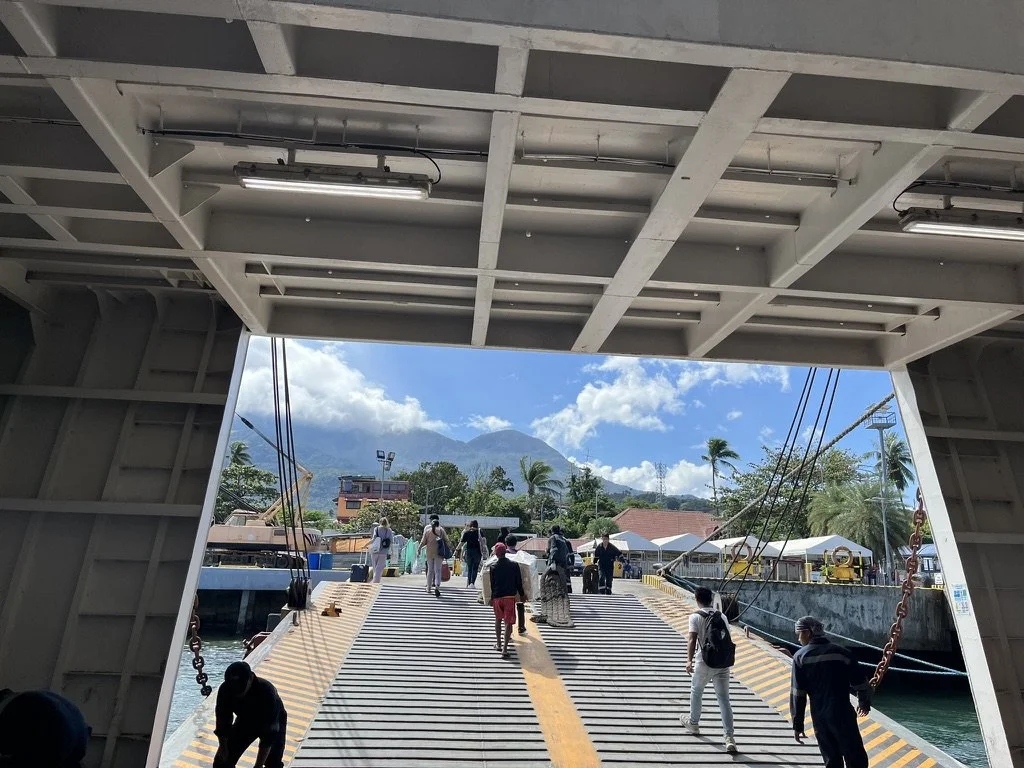
We arrived in the Philippines on New Year’s eve and spent our first night in Manilla. The next morning we would wake up early and drive about 2 hours down to Batangas to take the ferry to the town of Puerto Galera, on the northern coast of Mindoro. Once in Puerto Galera it was a 15 minute drive to our resort. Overall it was a very easy travel day, and we got to the island early enough to take a hike up to Talipanan falls.
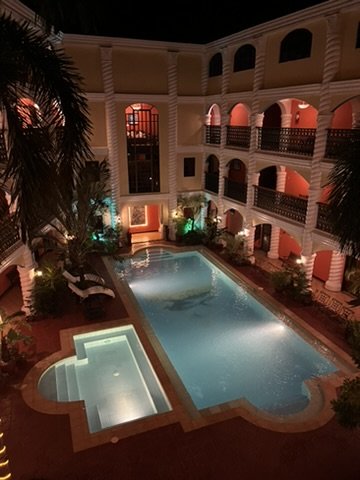
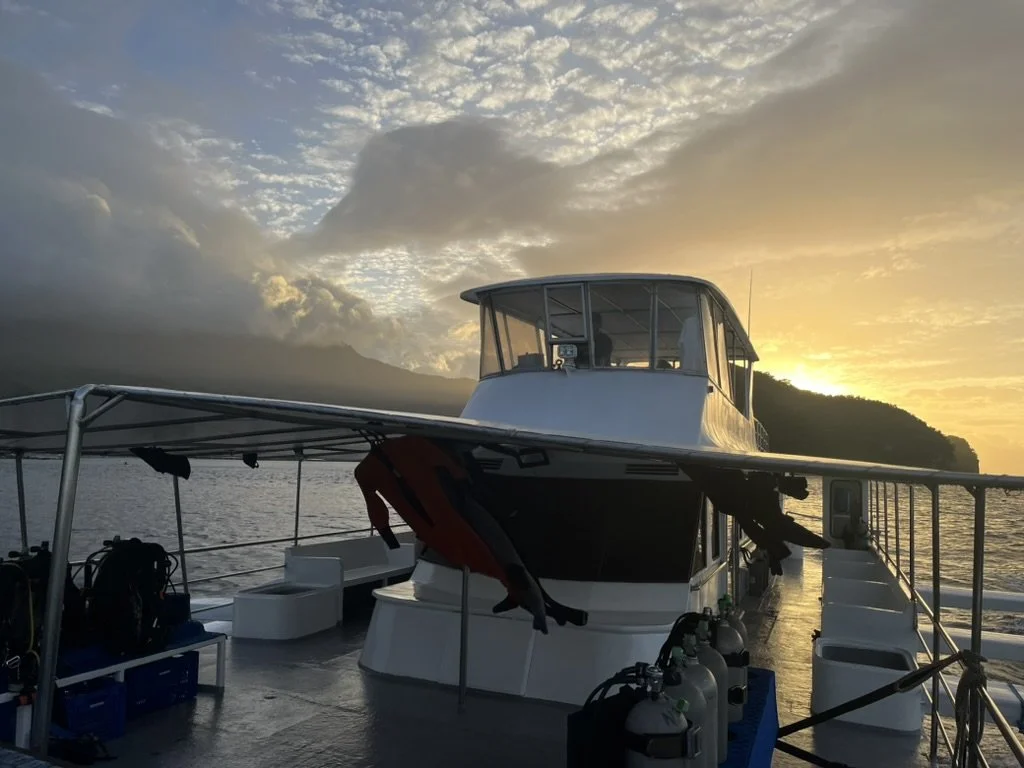
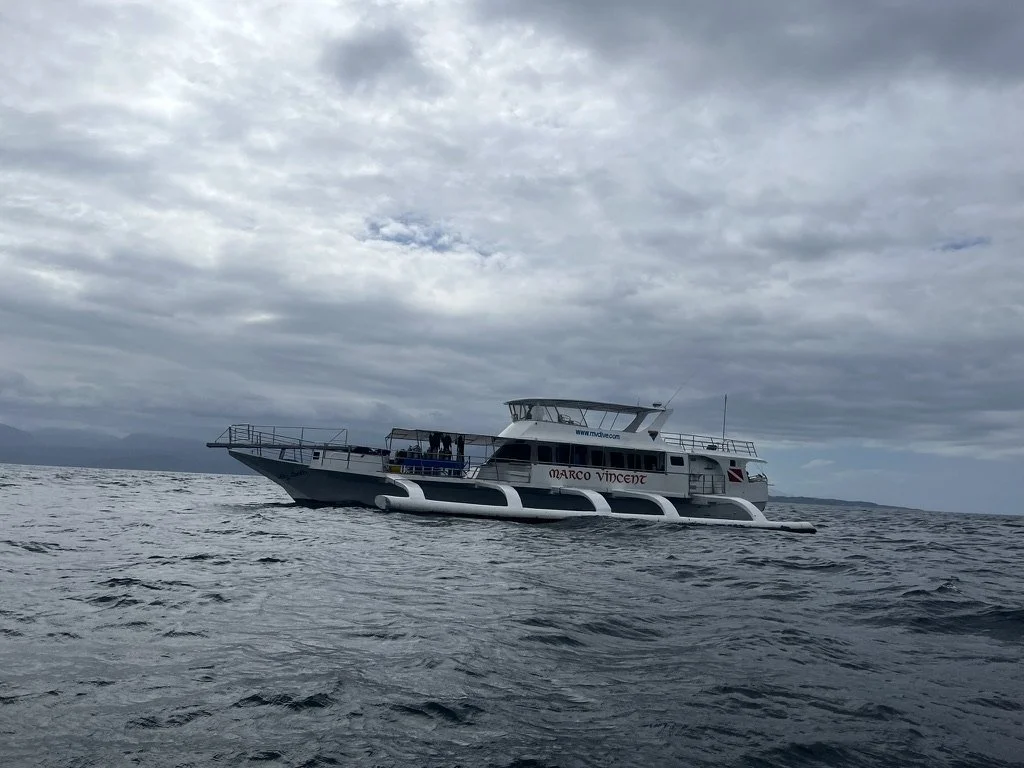
Marco Vincent is an all-inclusive dive resort located on White Beach. The rooms were comfortable and the food was solid. But where Marco Vincent really shines is on their dive boat setup. It’s fantastic, closer to liveaboard diving. Their dive boat is a 70 ft long trimaran. The boat was incredibly spacious, very stable, and had a shallow enough draft that it could get into much shallower waters than you would expect for a boat of its size. The best feature of the boat was that it had a full kitchen. Each day we would do three dives, with hot tea in between each dive and a 3 course hot lunch in between dives 2 & 3. I have never eaten so well on a scuba day boat, ever.
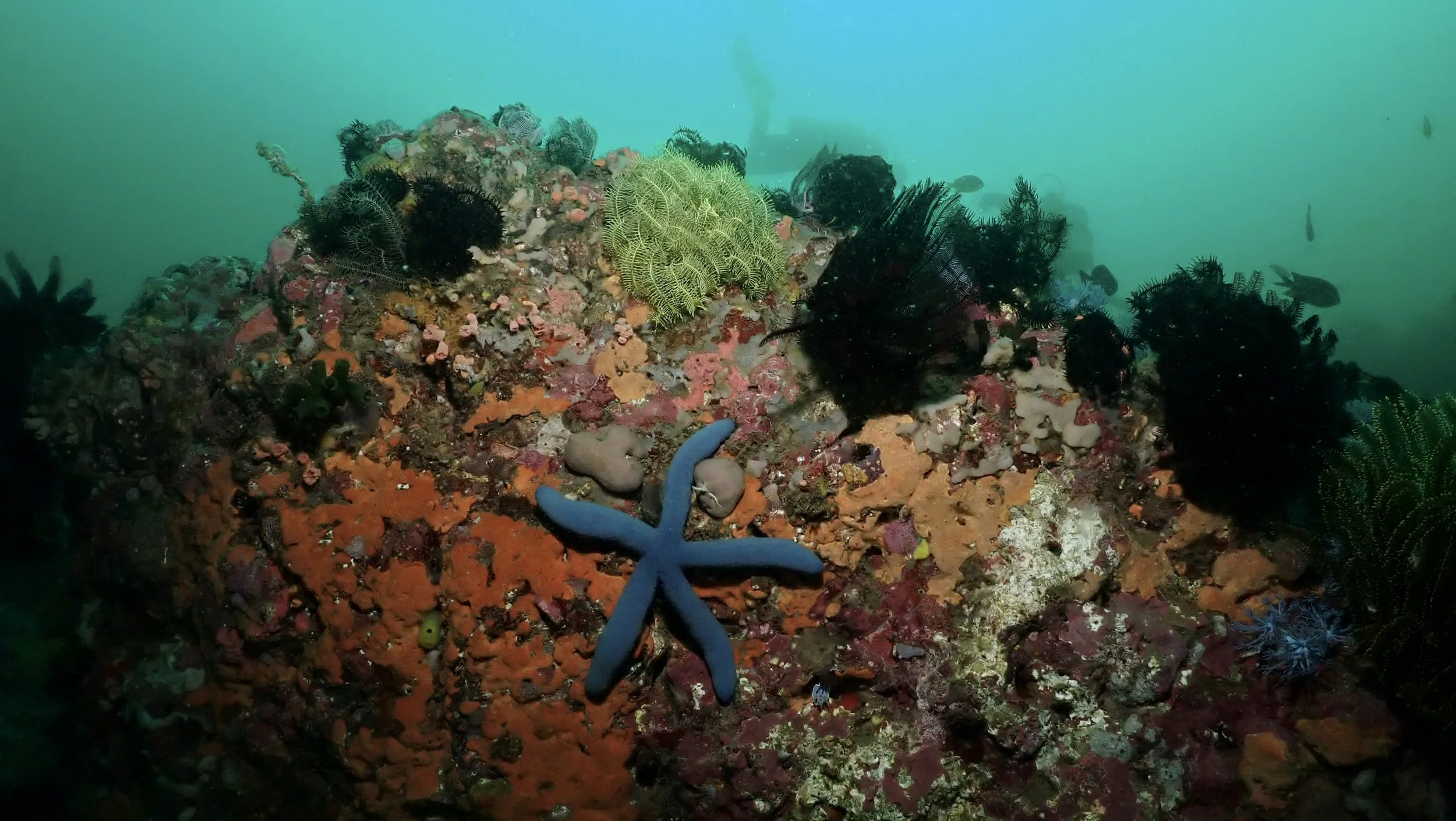
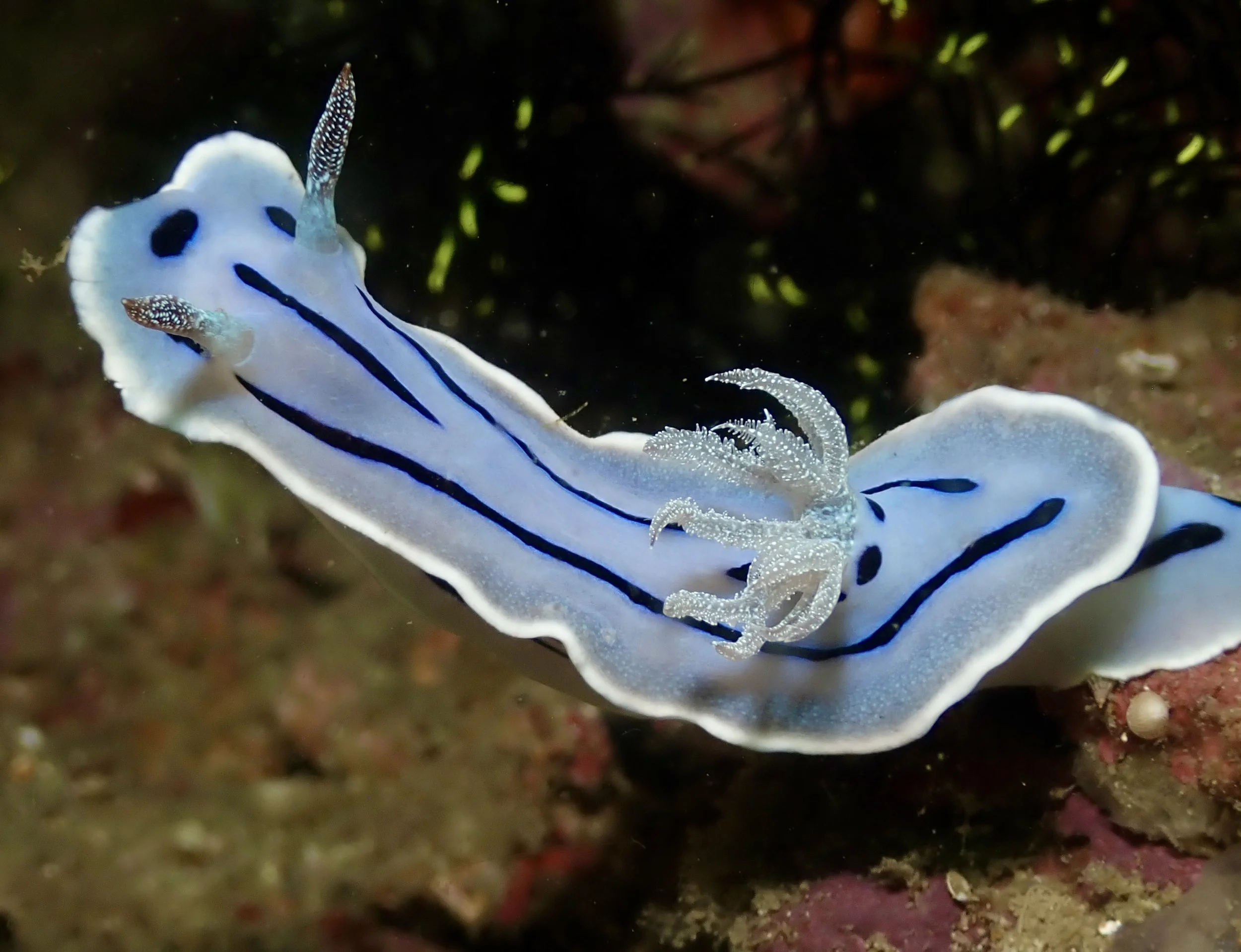
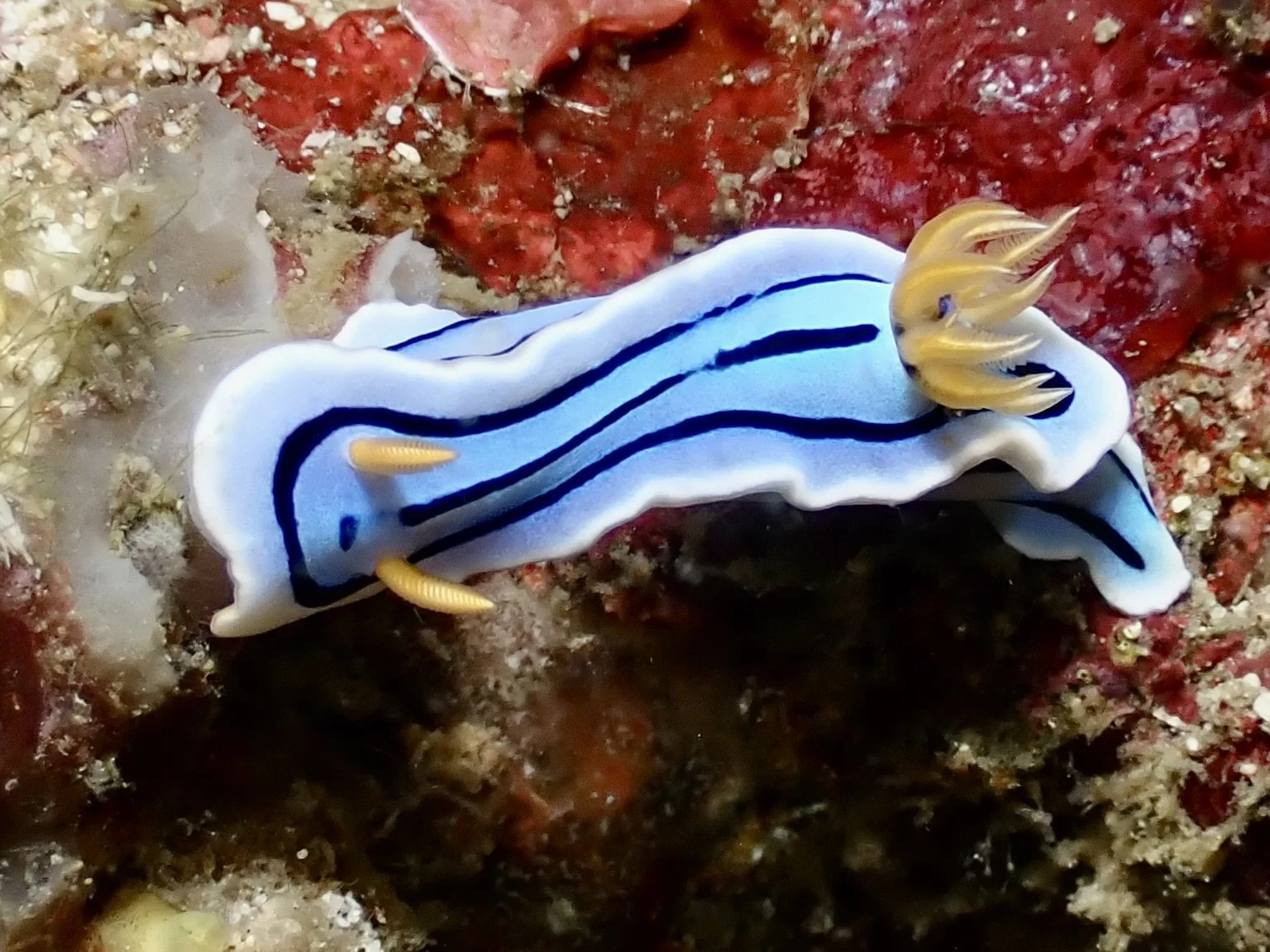
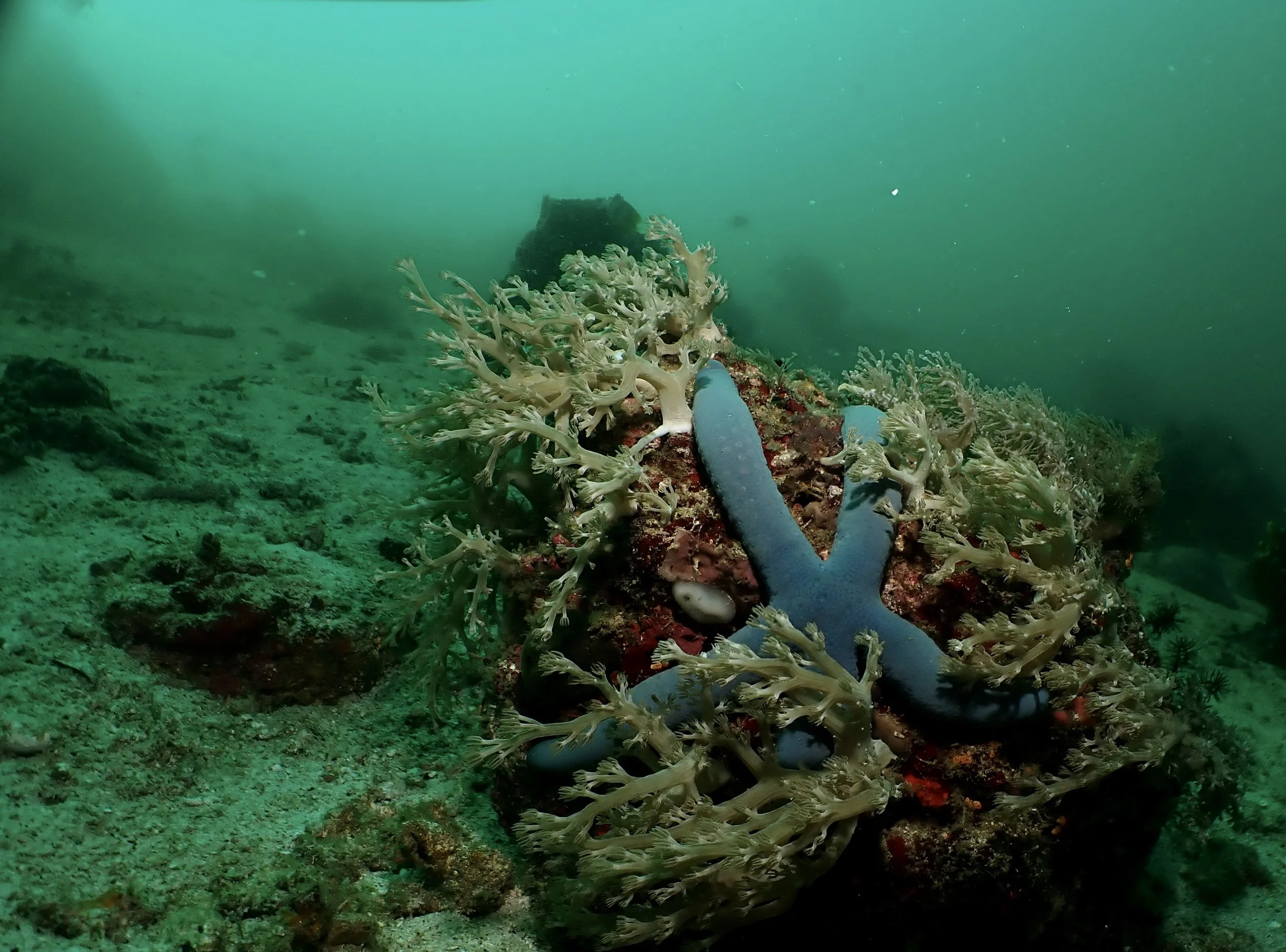
I will admit, that since we more or less ended up at Marco Vincent at random, I did not do my full due diligence in researching the diving in the area. On our first dive I did a giant stride into the water and… was immediately disappointed. The water was a chilly 77 degrees and visibility was a hazy 30 ft with a greenish tint that reminded me of diving in NY more than the tropical pacific. Then before we even reached the bottom the first banded sea snake swam by. Thirty seconds later the dive guide motioned for me to come over and pointed out a batfish walking along the bottom, which I started take pictures off, until I noticed the giant neon nembrotha nudibranch a foot away from me, right in front of a giant anemone filled with a family of Percula Clownfish. My disappointment vanished instantly and I realized why people travel to Philippines for diving.
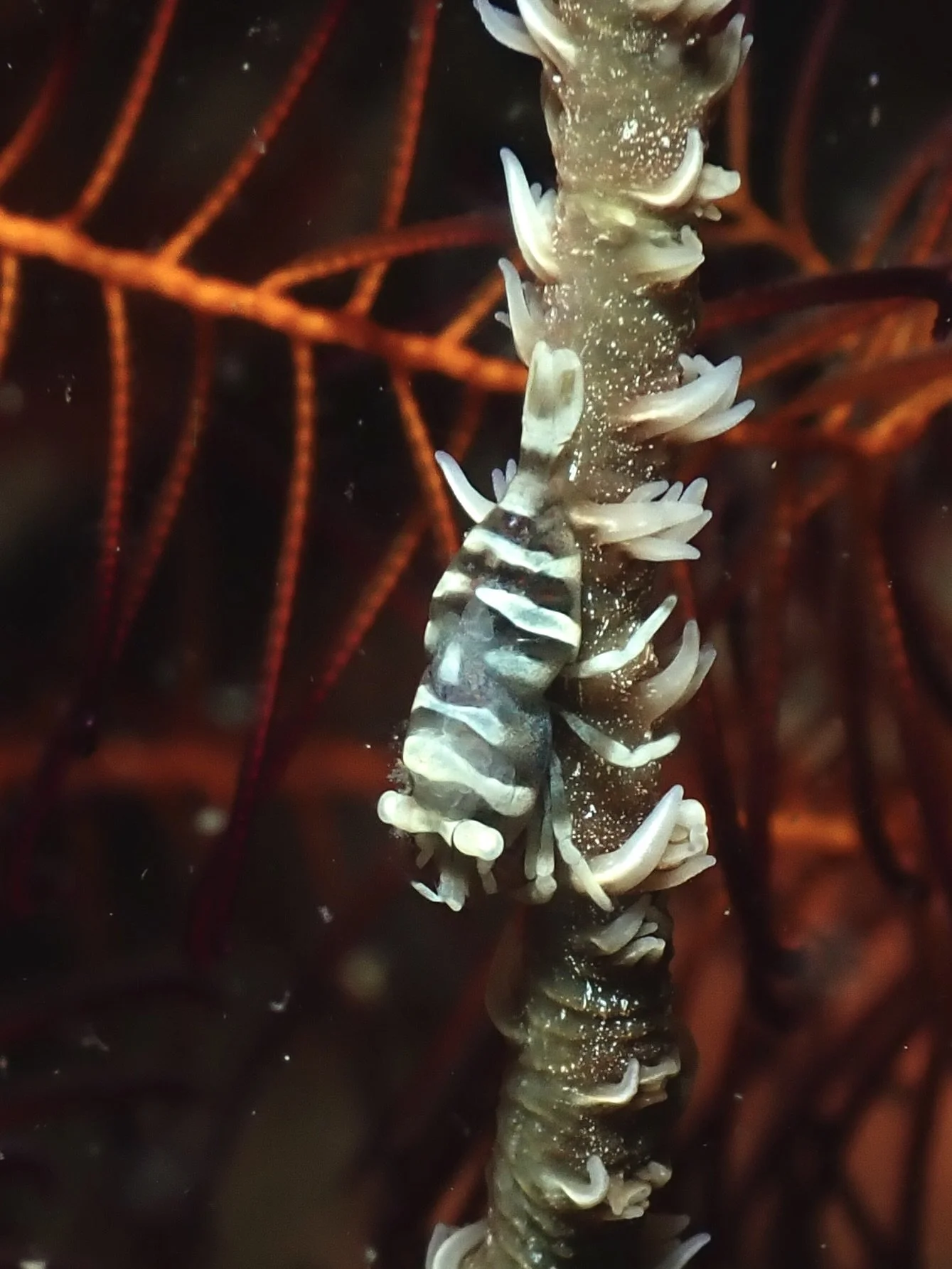
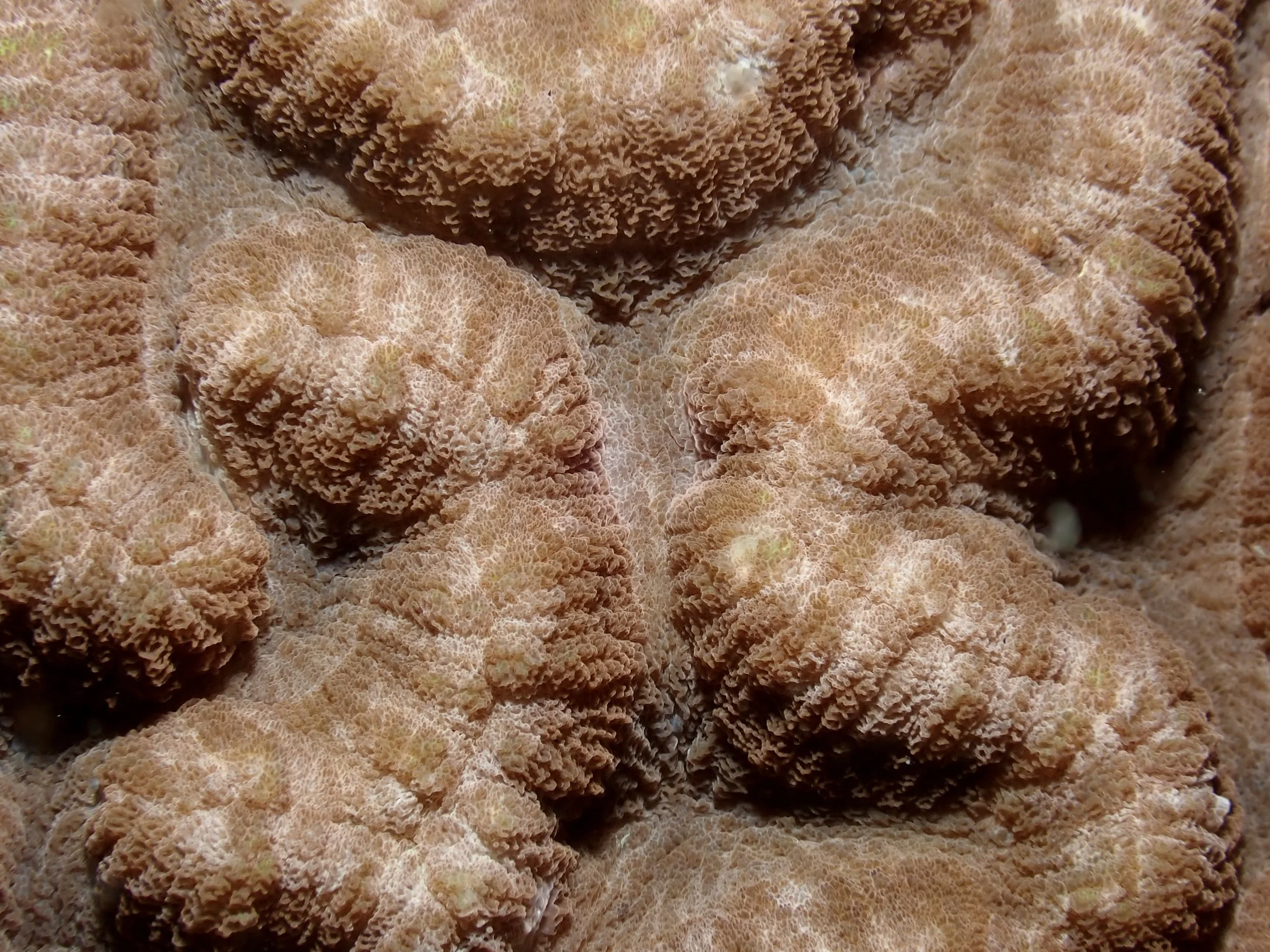
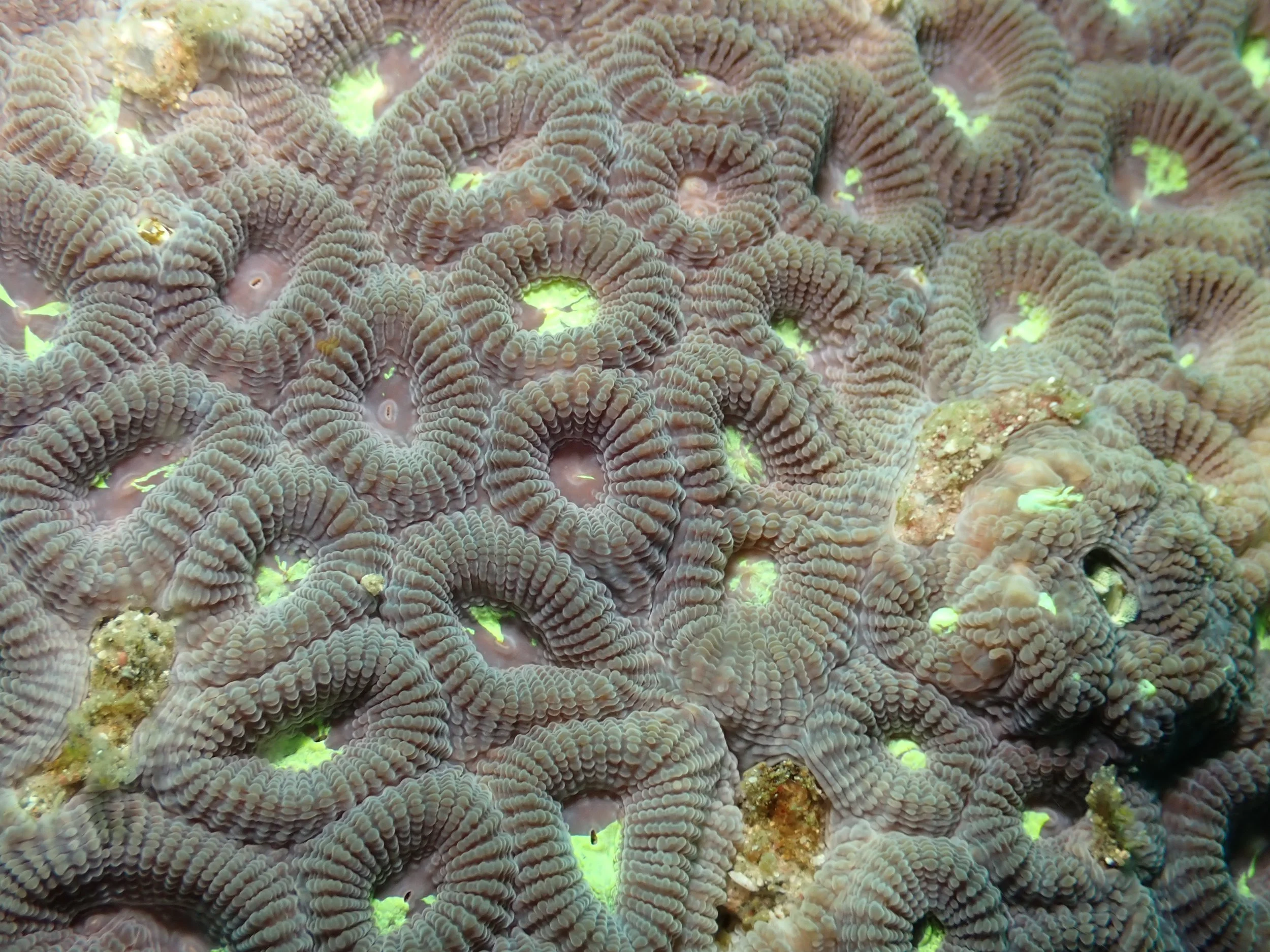
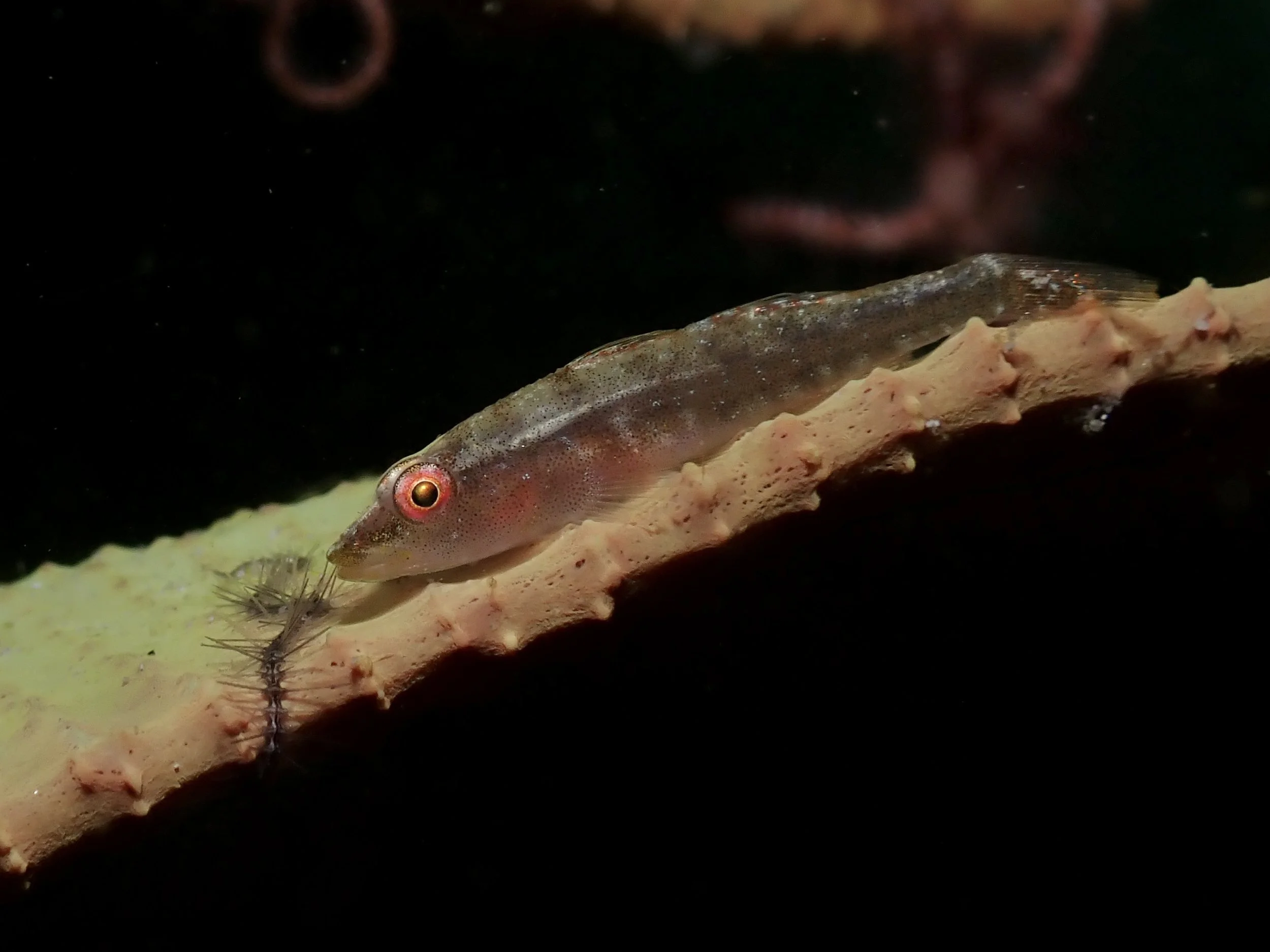
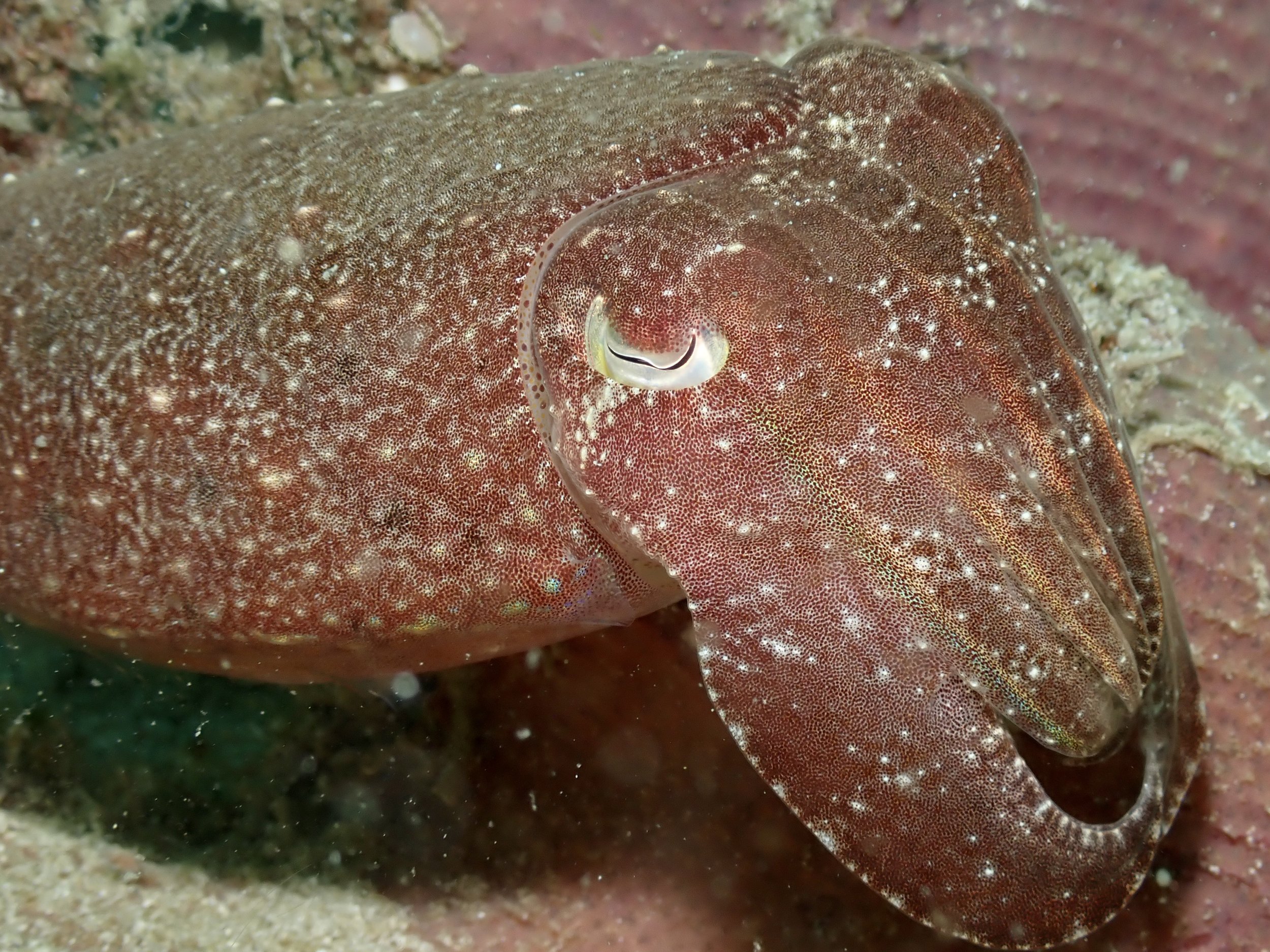
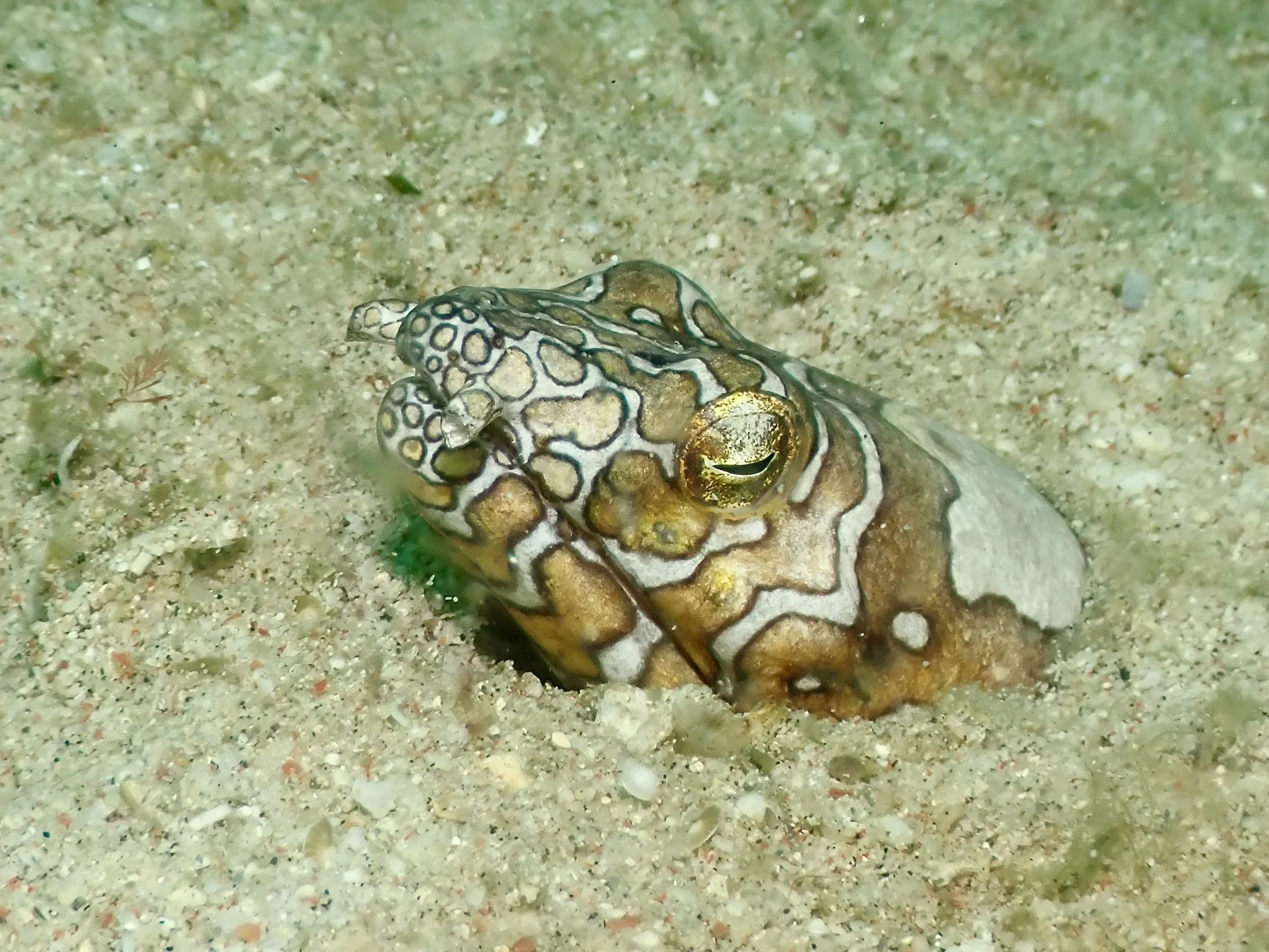
The marine biodiversity in Puerto Galera is simply put off the charts. This really shouldn’t be surprising given its position in the middle of the Coral Triangle. The area is a macro photographer’s dream. Every dive would bring sightings of some new and crazy critters, including brightly colored nudibranchs, cuttlefish, flamboyant cuttlefish, giant tridacna clams, clownfish and anemones, sea horses, pygmy seahorses, mantis shrimps, and an incredible array of reef fish, corals and invertebrates. Most of the diving is very easy, along near shore sloping reefs, with a typical depth range of 20-80 ft and is perfect for divers of all ability levels. Most dives had very little current. The last dive of each day was a true muck dive, the boat would take us to a sandy patch in the area of Sabang Bay, and we would explore the sand and sea grass in about 15-40 ft of water. This is a lot more exciting than it sounds, and these muck dives had some of the best critter finds. On these dives we would regularly find seahorses and ghost pipefish, half buried stargazers and snake eels, cuttlefish, and coconut octopus, and frogfish. The dives were almost like going on a scavenger hunt to see who could find the most exotic and well camouflaged critters.
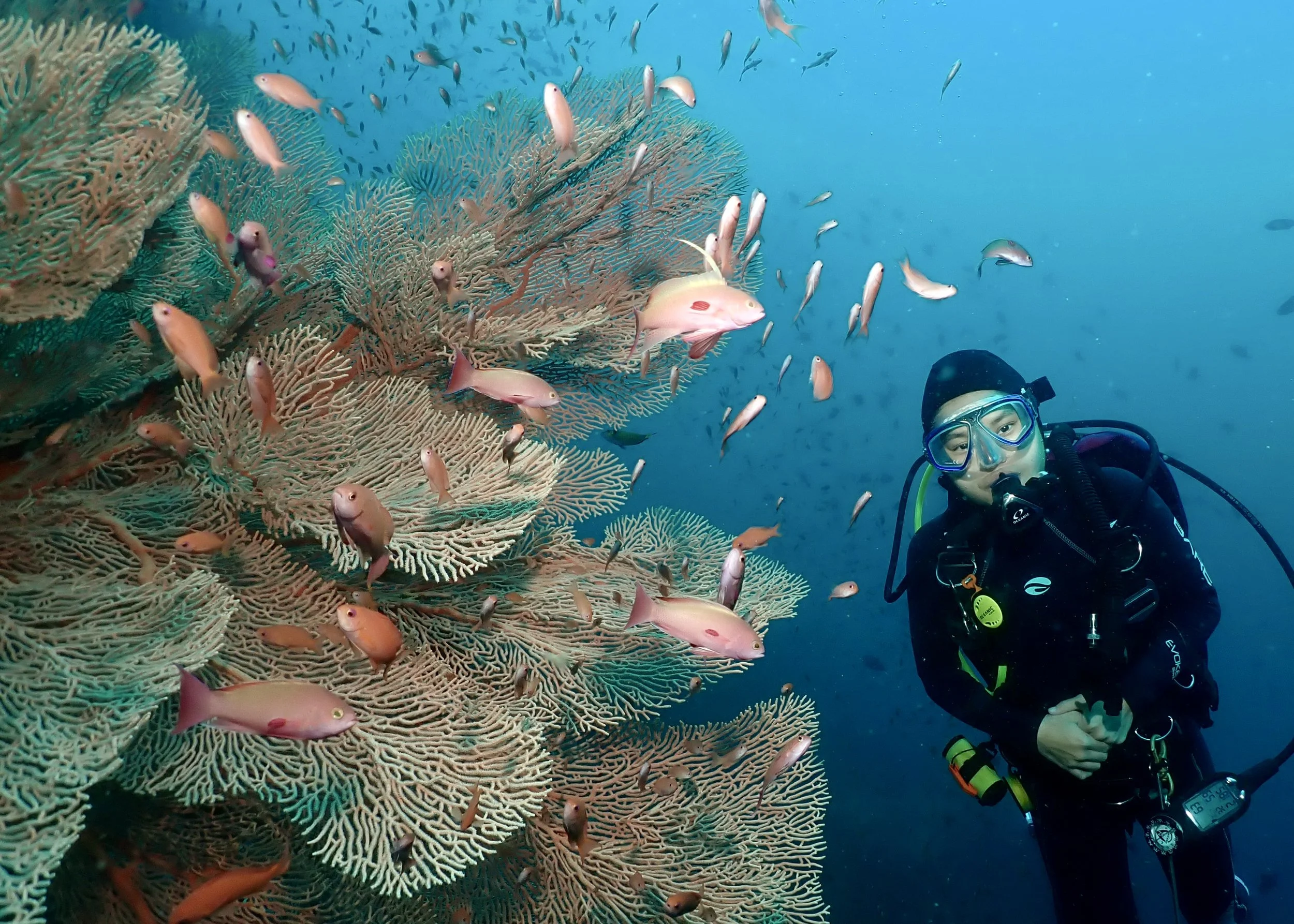
However there is not much in the area in the way of large creatures and pelagics. We did not see any sharks the entire time we were there, and the largest animals tended to be the occasional sea turtle. The one exception to this is the nearby Verde Islands. These islands are about a 2 hour boat ride for Puerto Galera. Verde Island is a small rocky pinnacle that was one of the best dives of our week in the Philippines. Unlike the Puerto Galera dives Verde Island visibility was well over 100ft, and was comprised of a vertical coral wall that extended from the surface down to hundreds of feet down. The entire wall is covered in large coral heads, giant barrel sponges, schooling anthias and reef fish. Although this was by far the most dramatic dive site of the trip, the wall is still covered with much of the usual Philippines macro life, including nudibranchs, sea snakes, and octopi. We did two dives along Verde island and they were a highlight not to be missed.
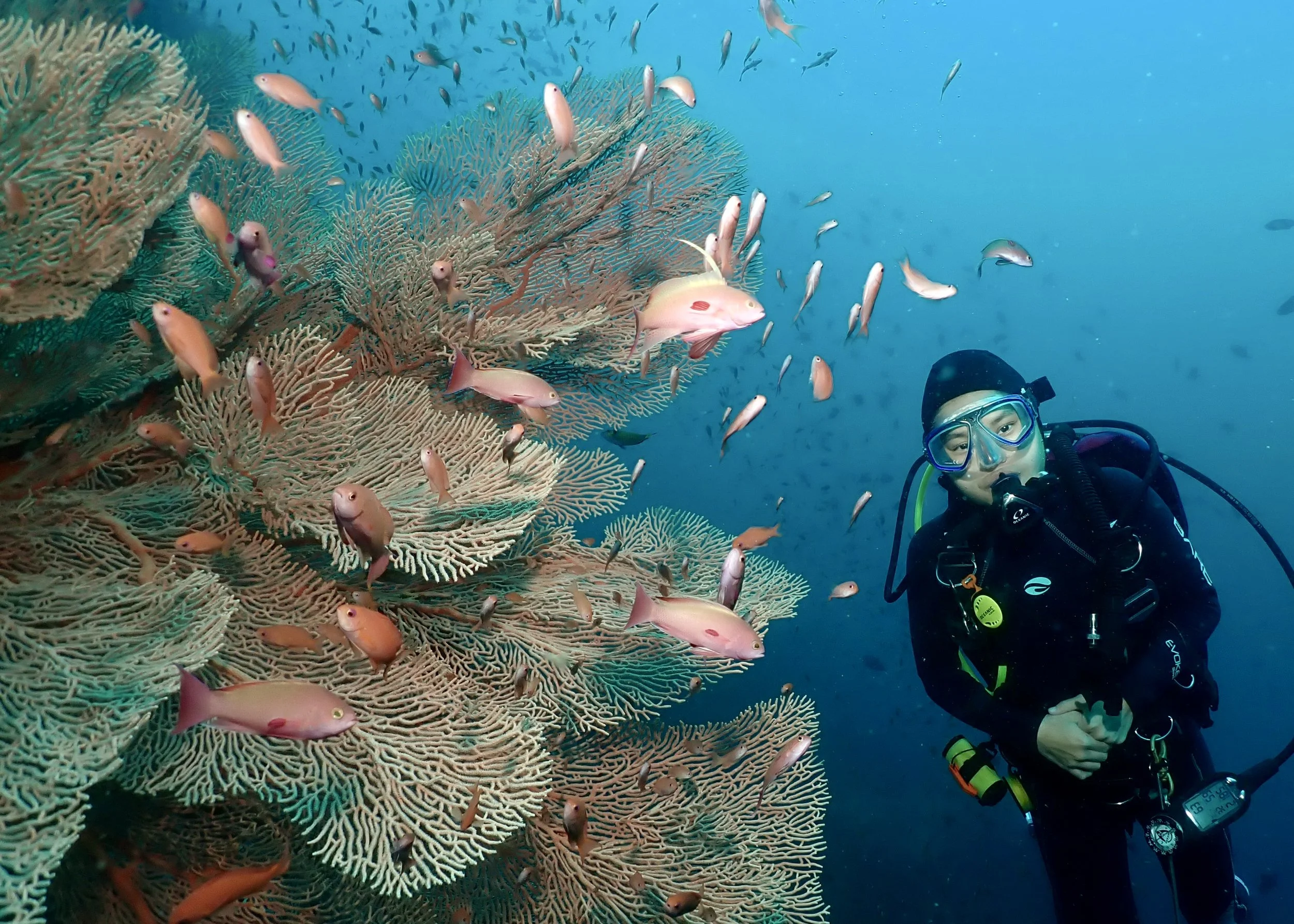
Verde Island Reef
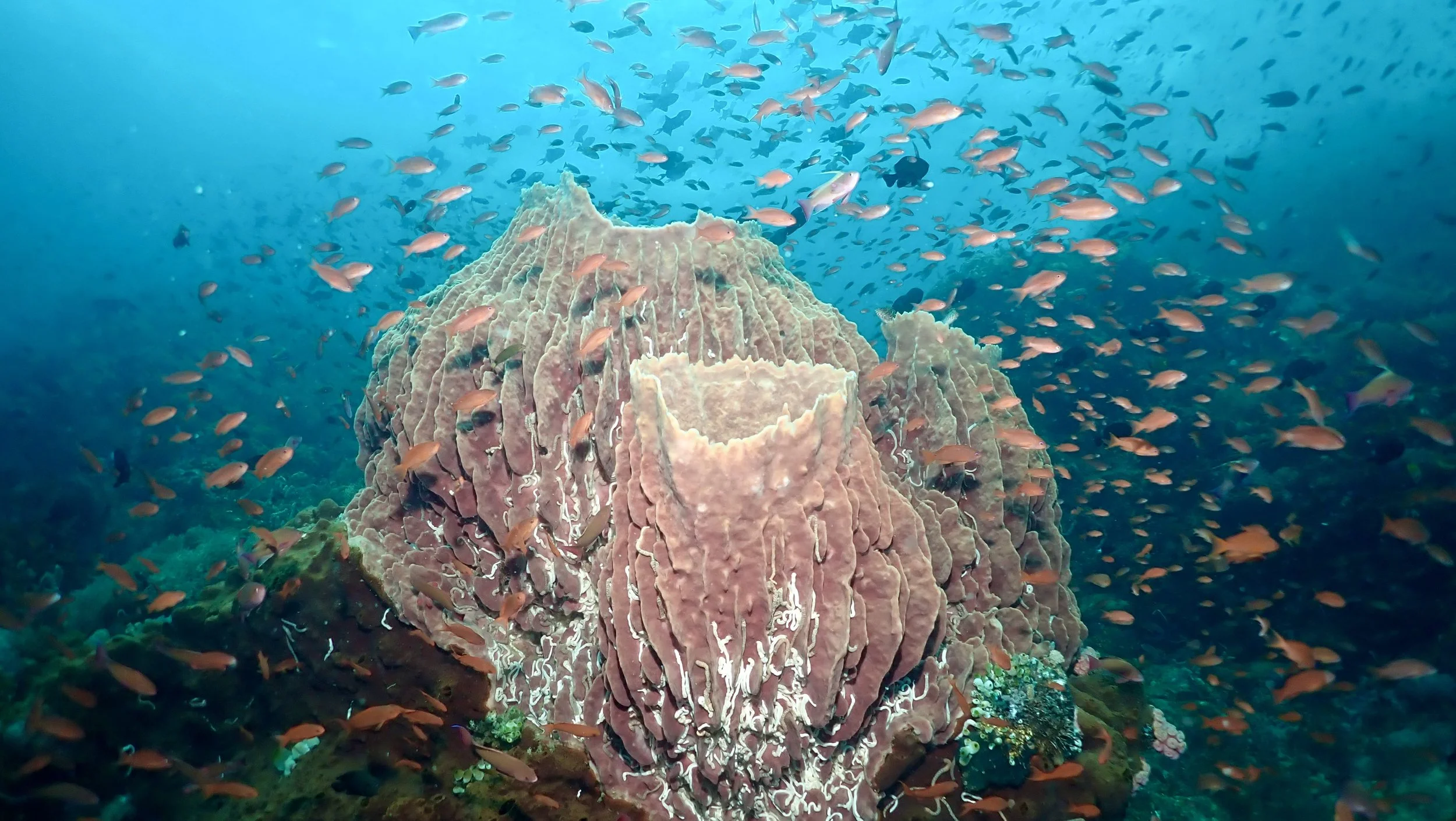
Verde Island Reef
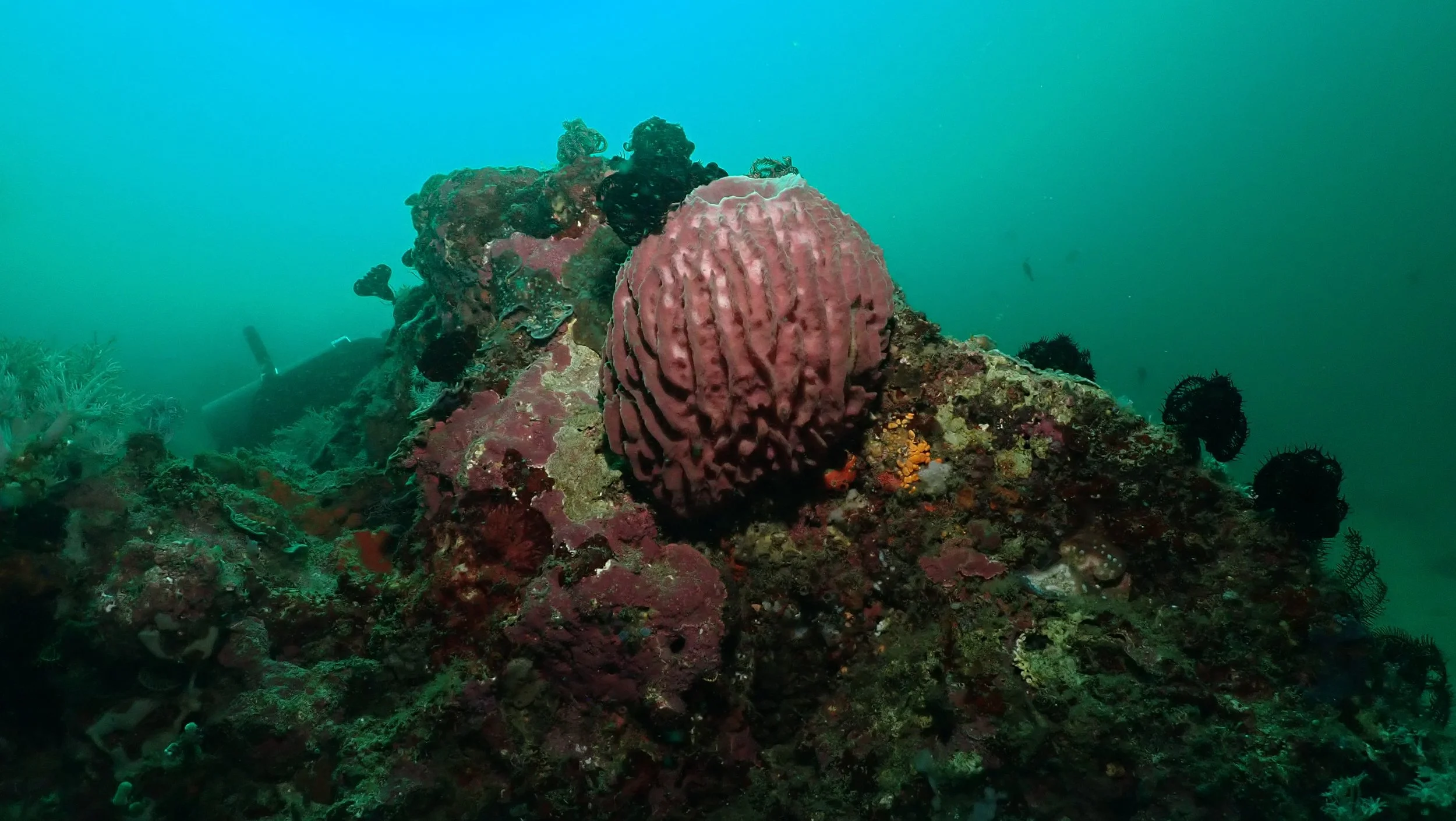
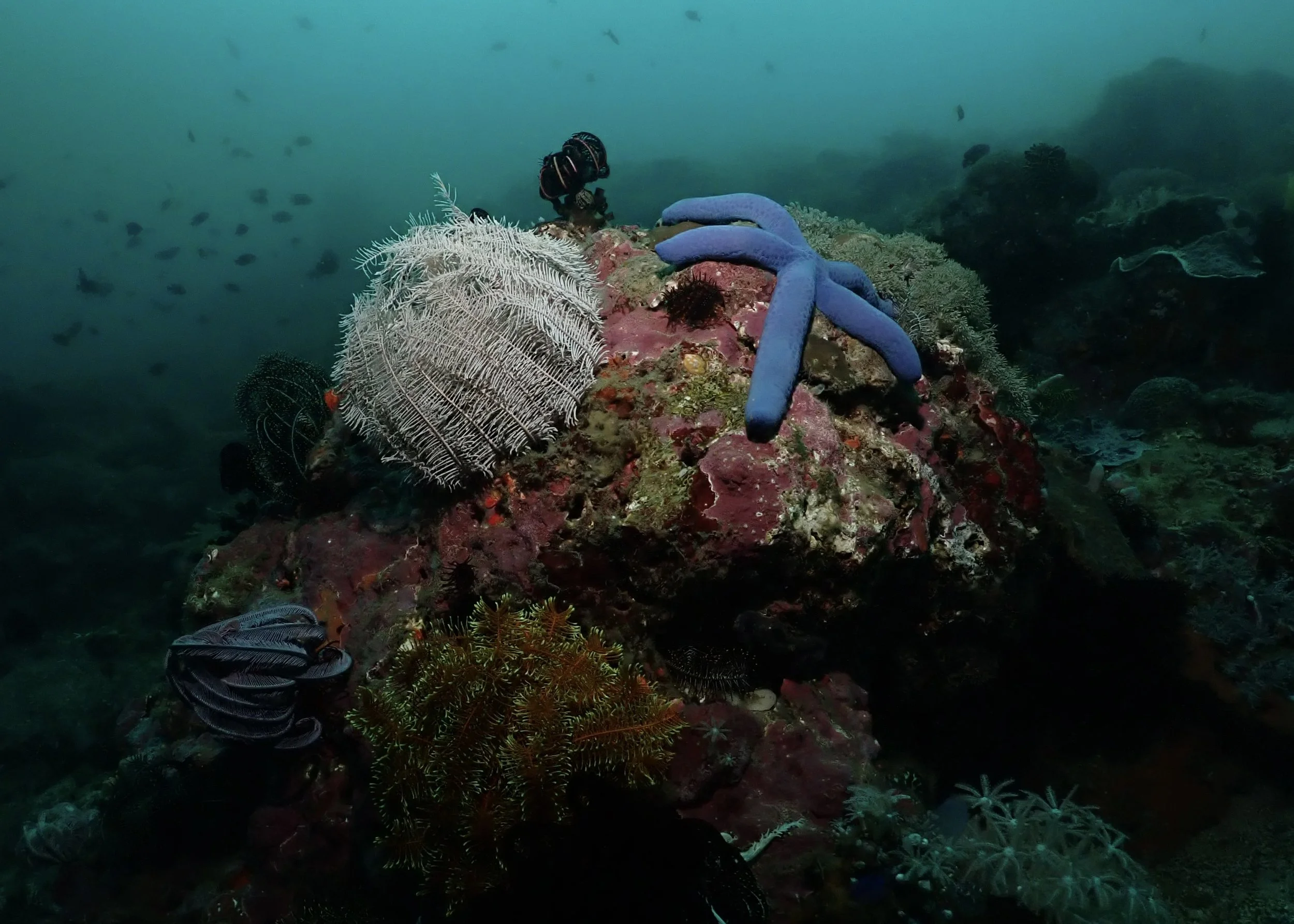
Greenish Water in Puerto Galera
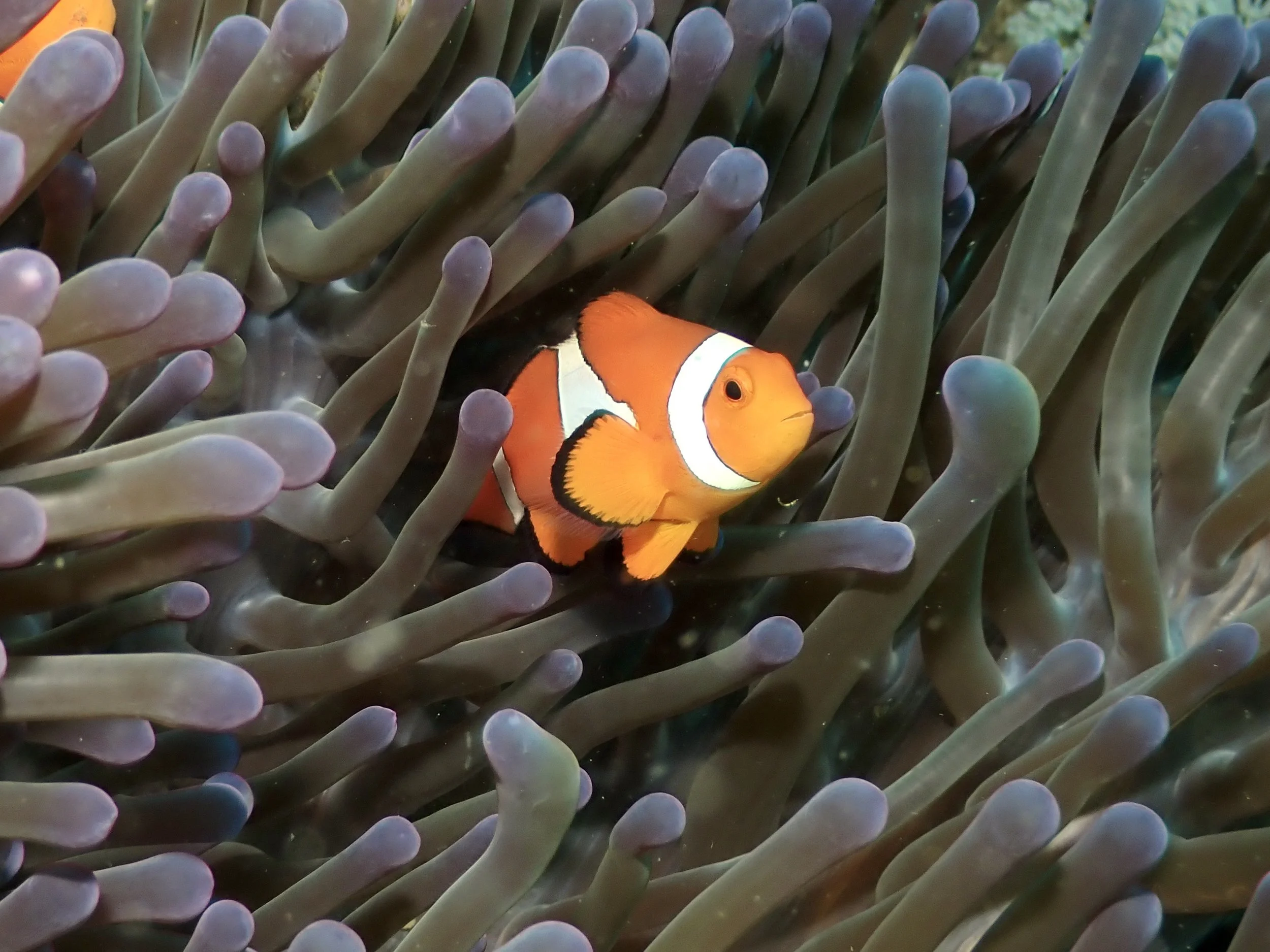
I found Nemo!
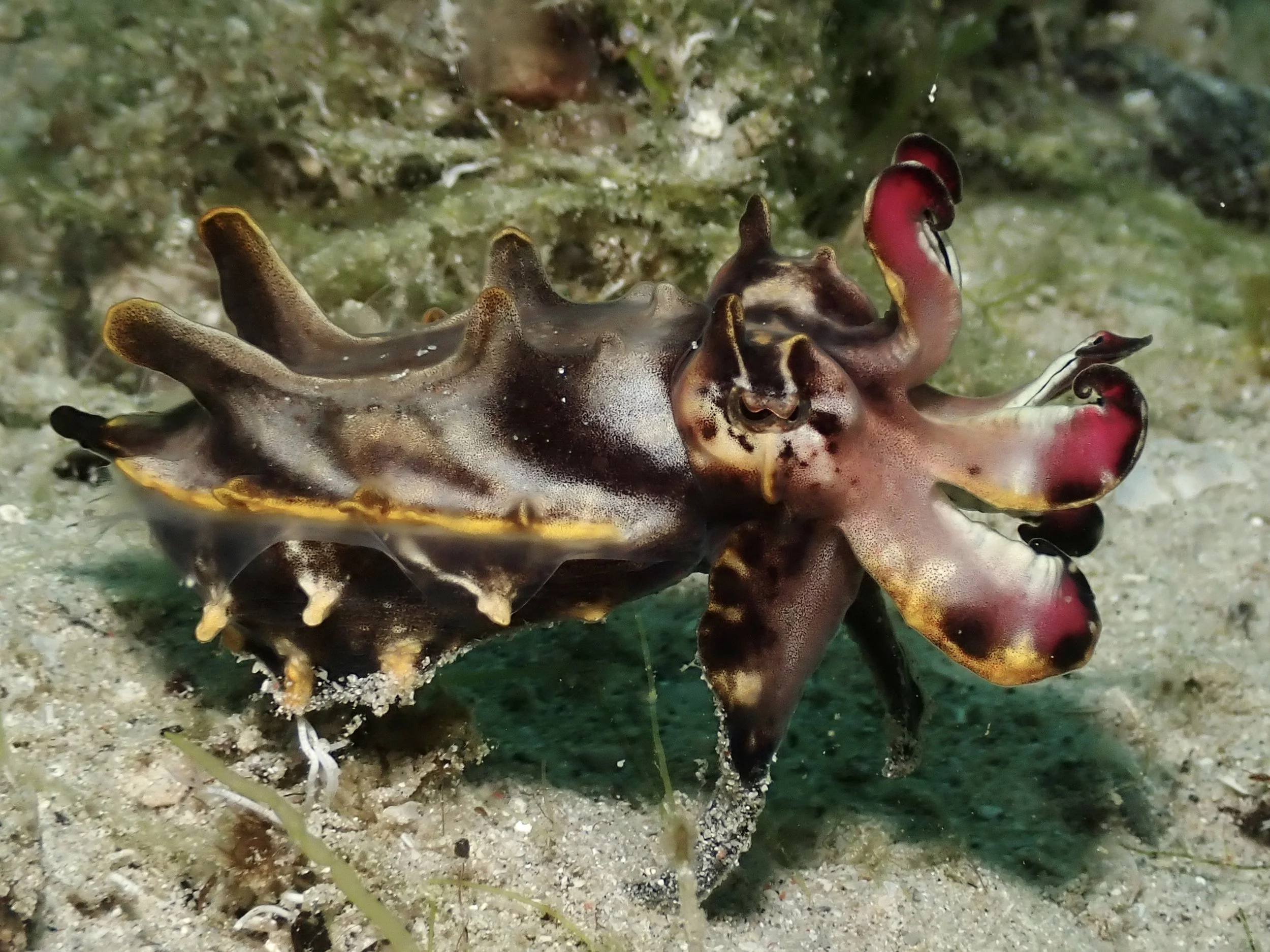
Flamboyant Cuttlefish
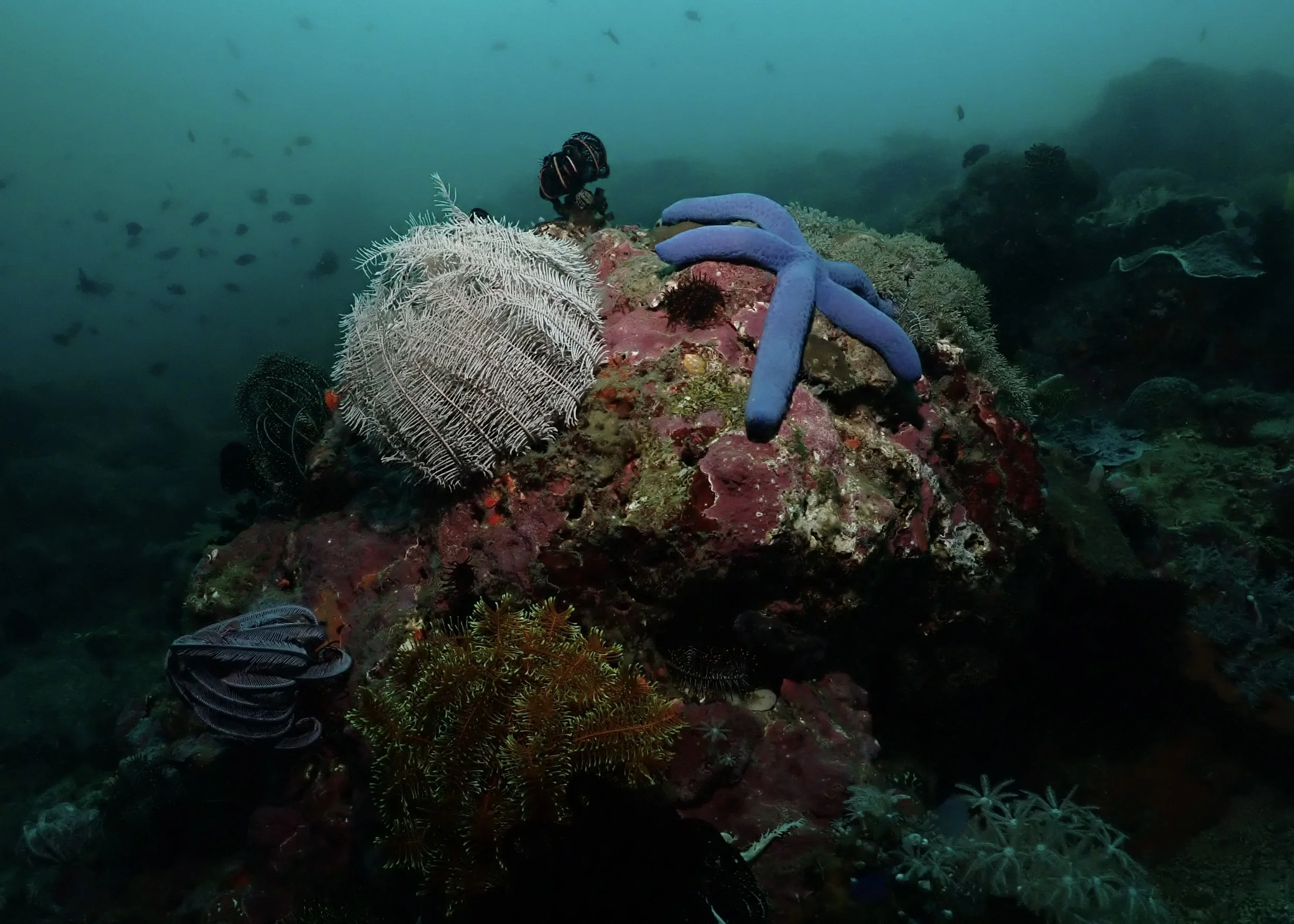
Basket Star & Starfish
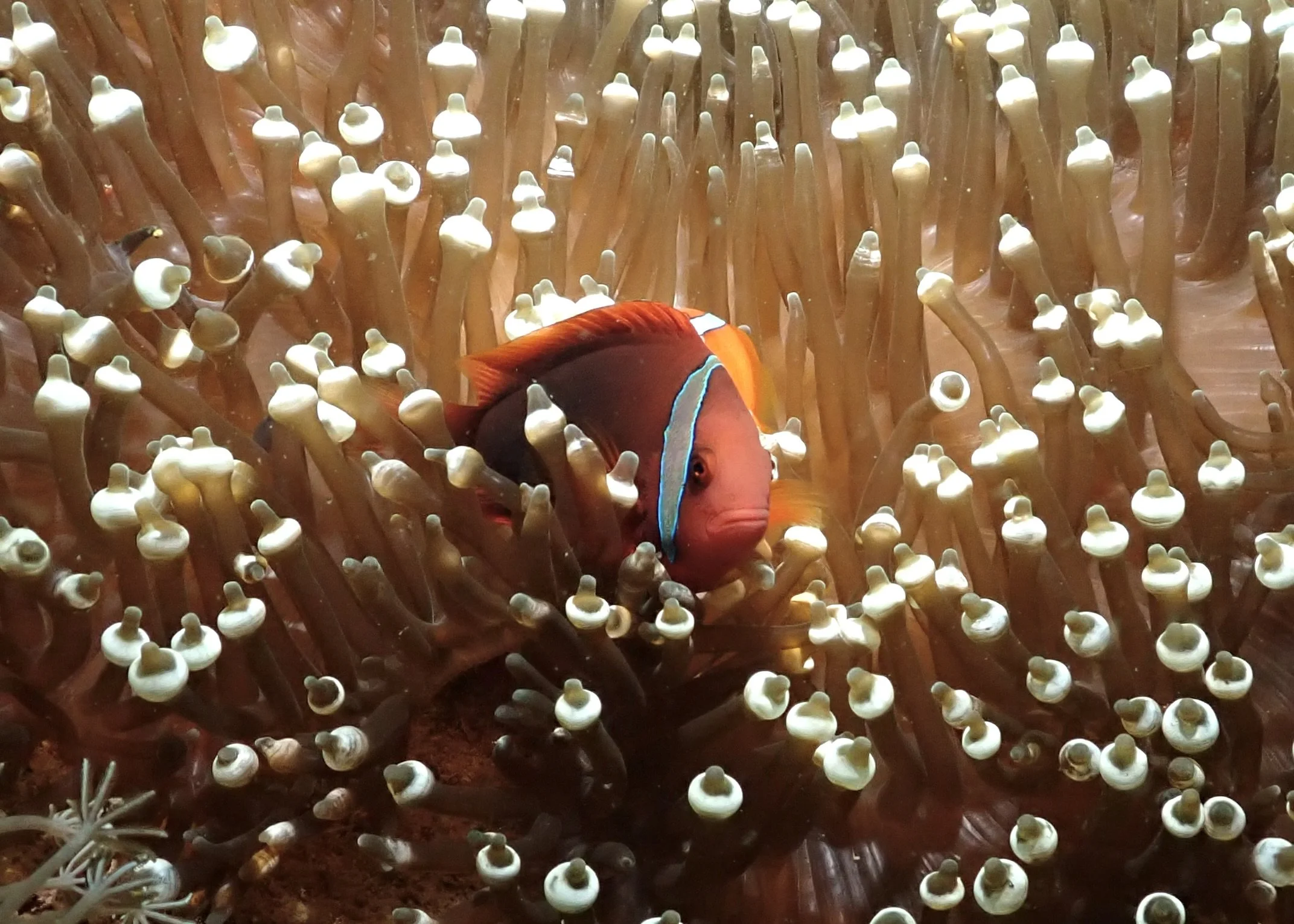
Maroon Clown in Bubble Tip Anemone
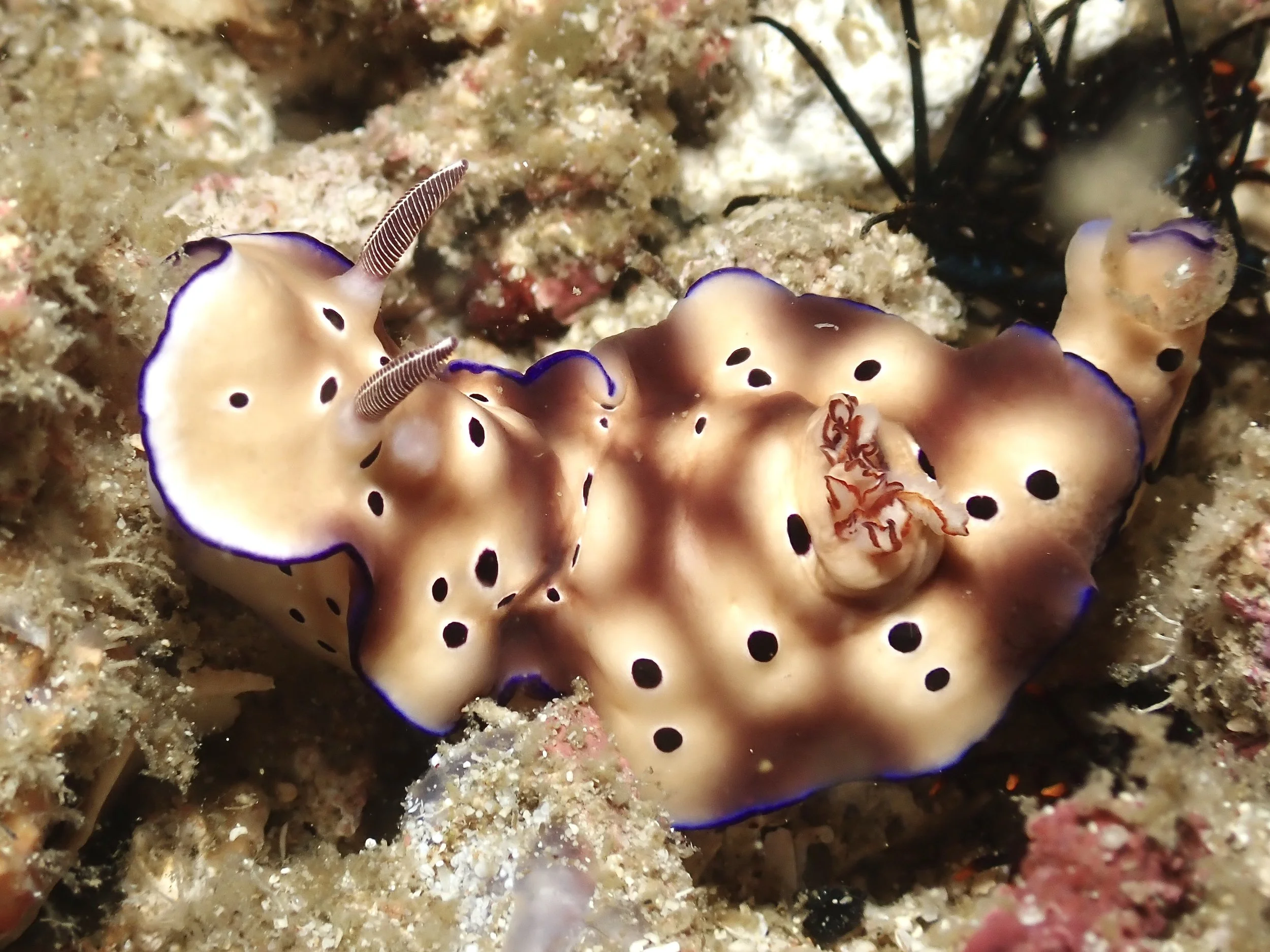
Nudibranchs!
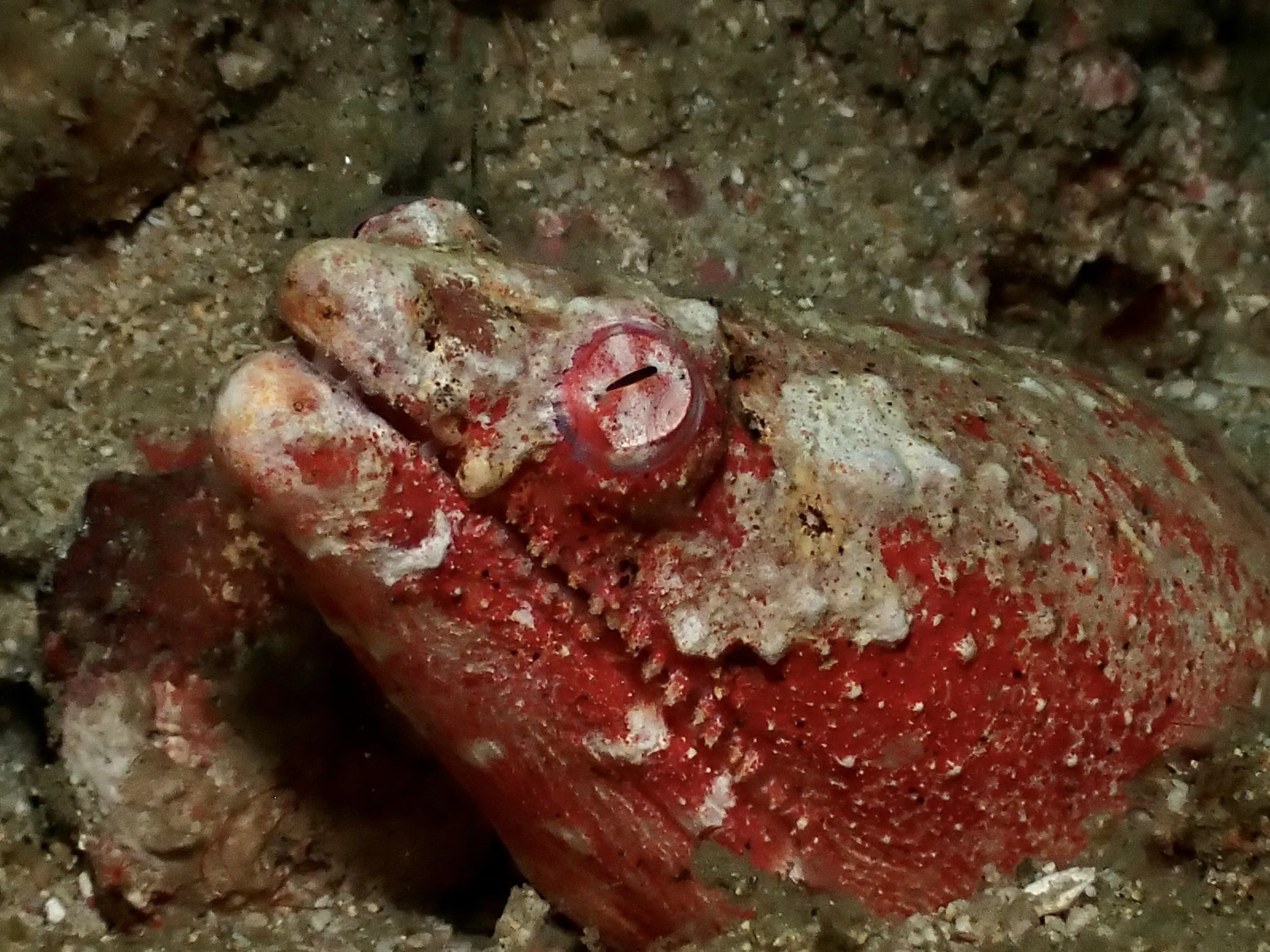
Snake Eel
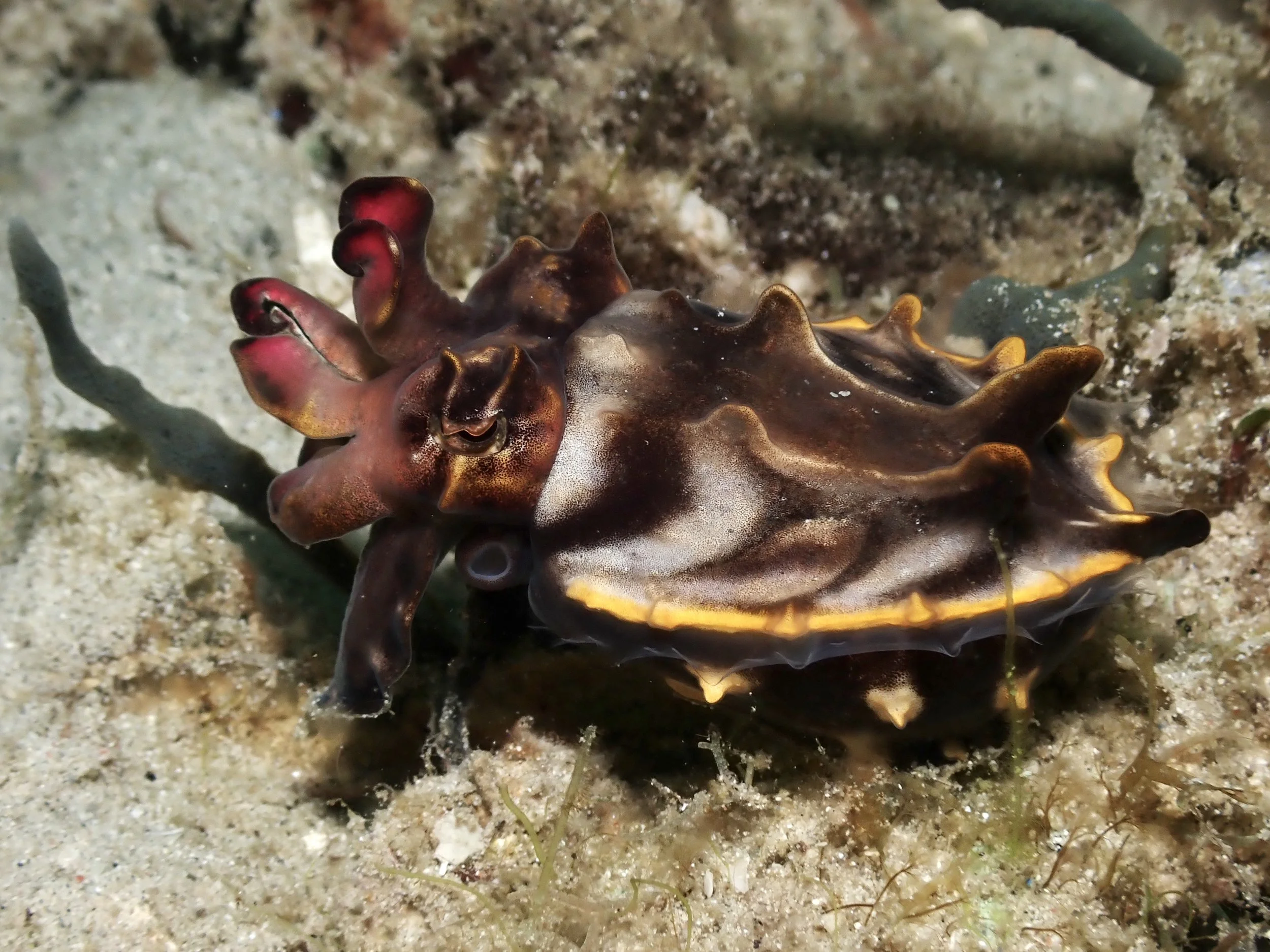
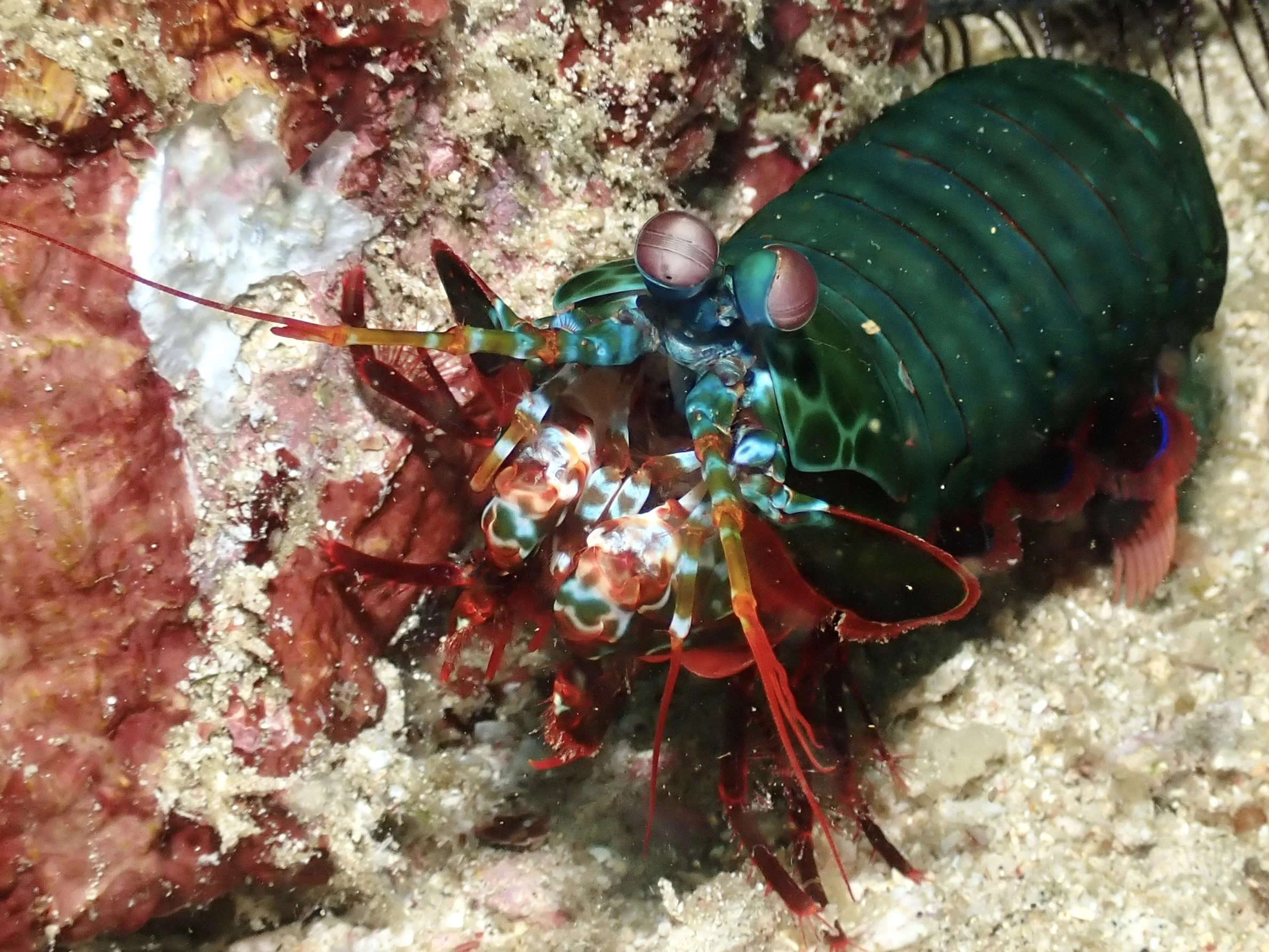
Peacock Mantis Shrimp
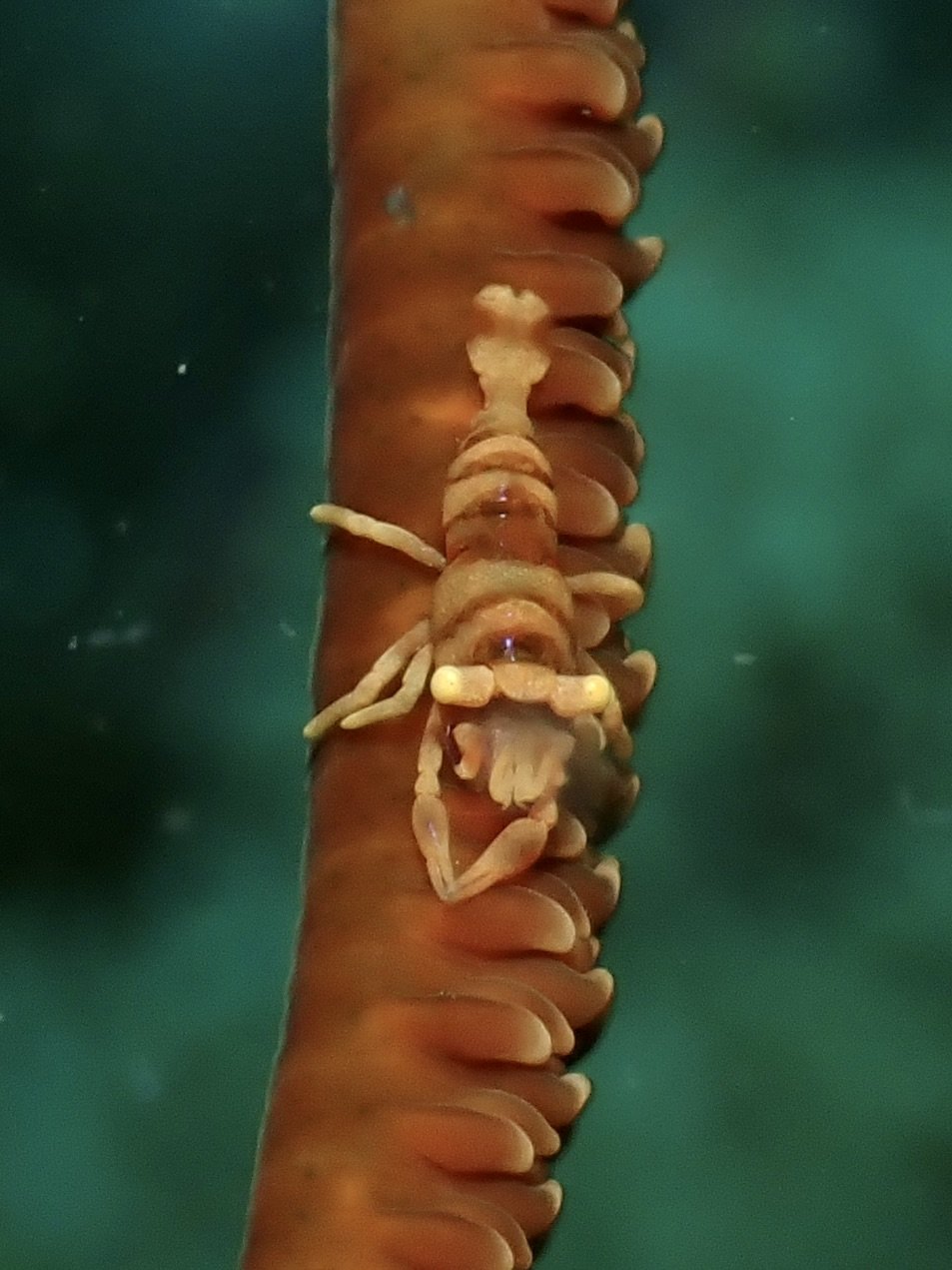
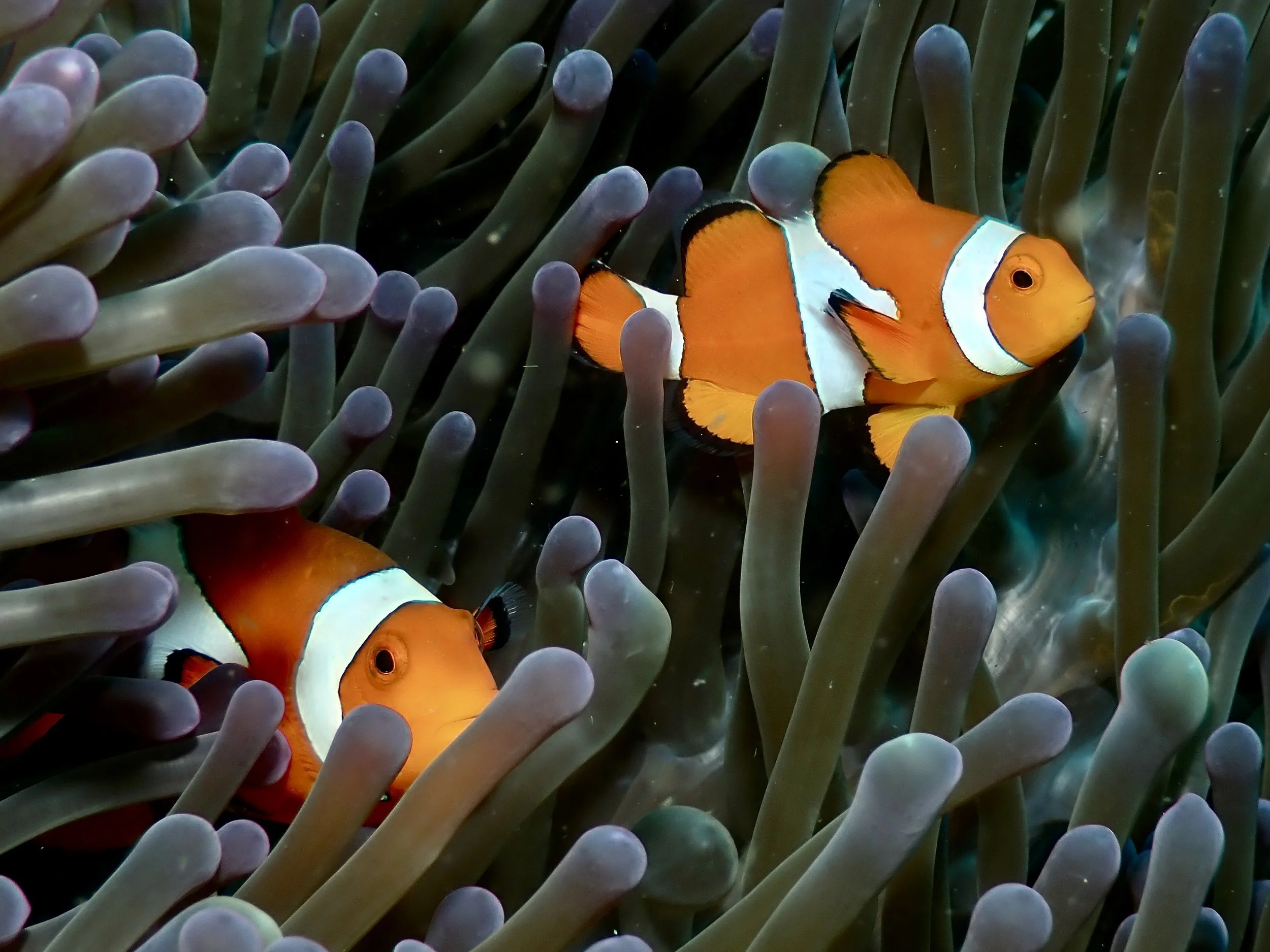
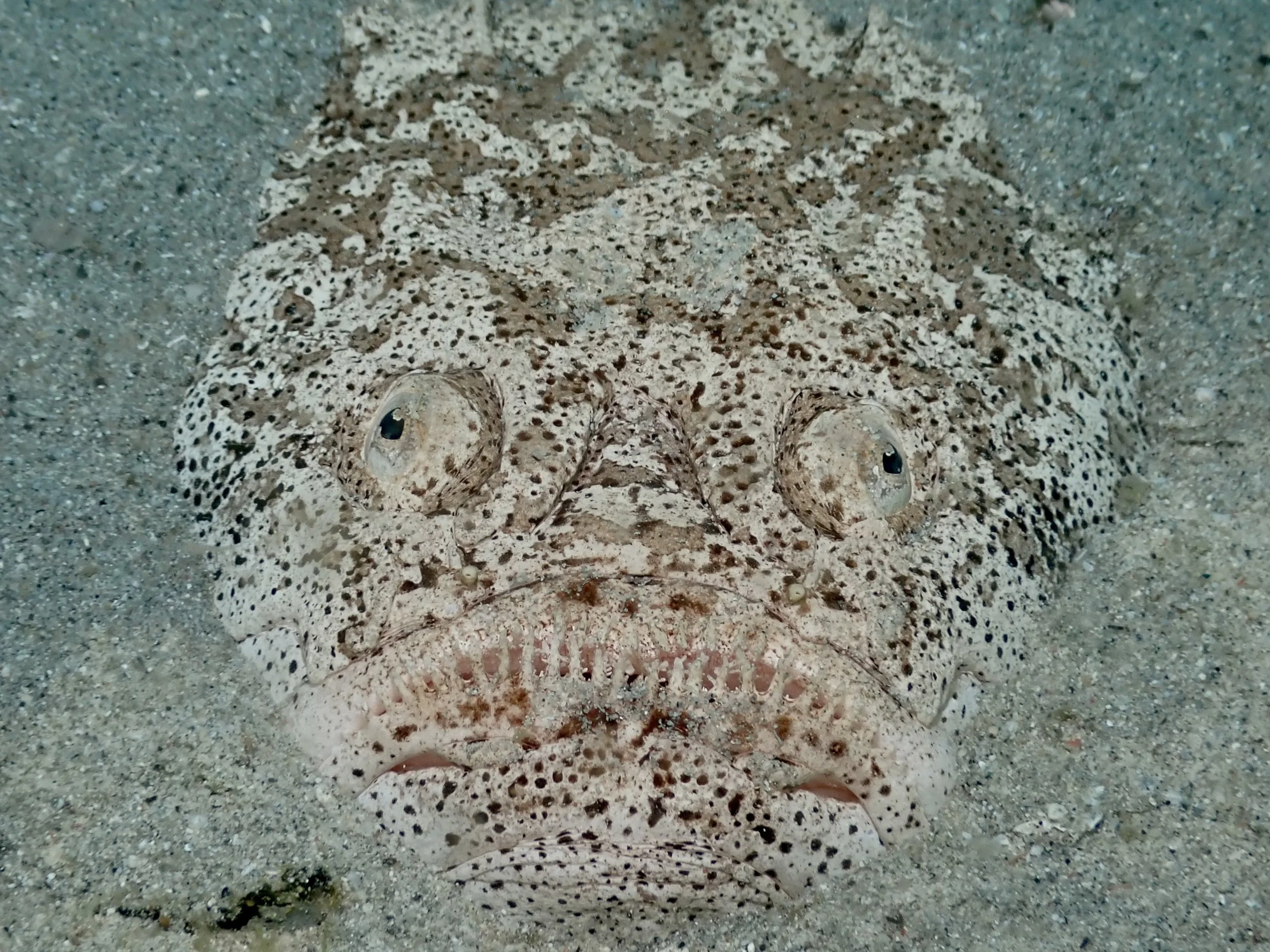
Stargazer lurking in the sand
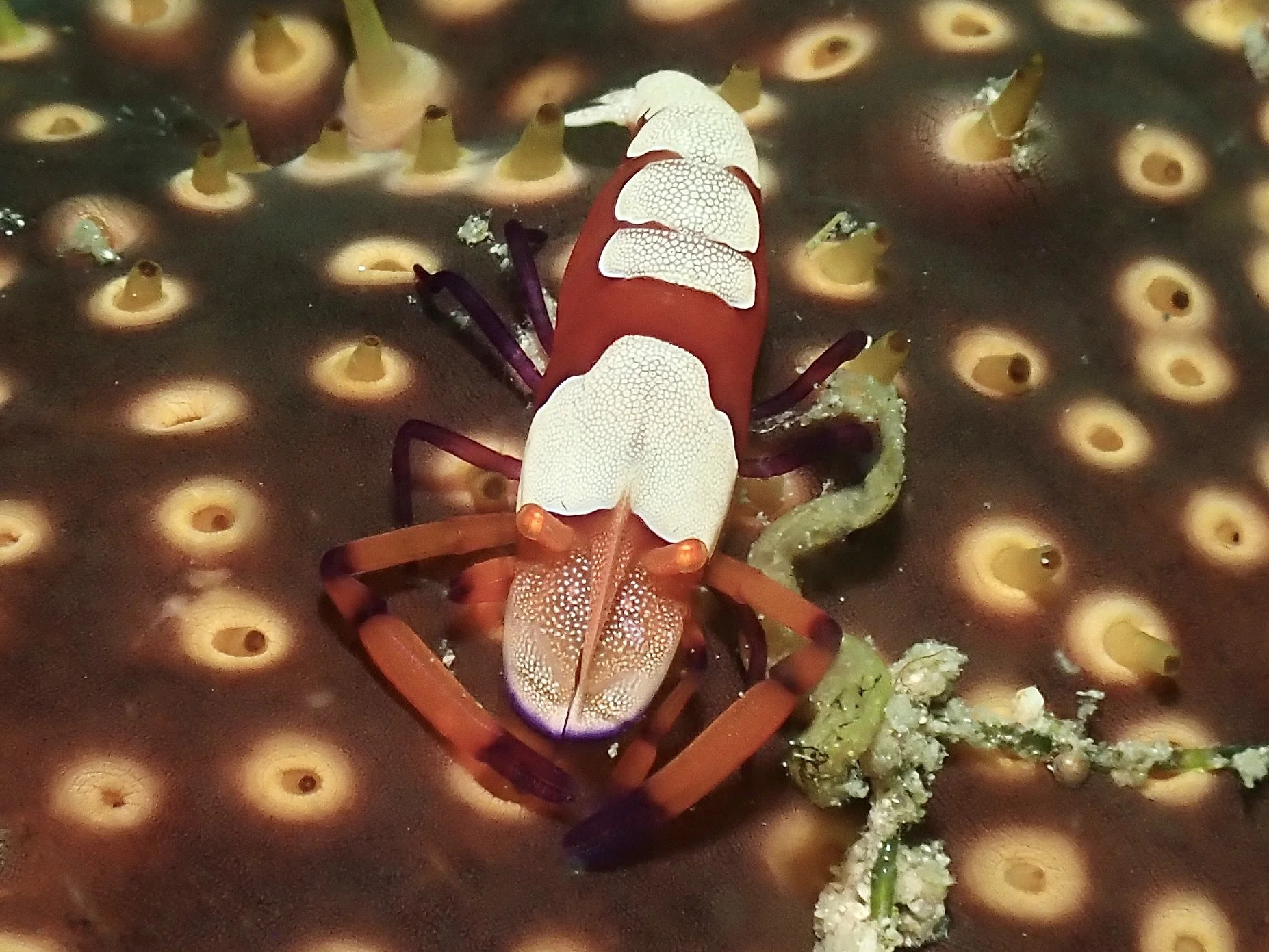
Emperor Shrimp on a Sea Cucumber
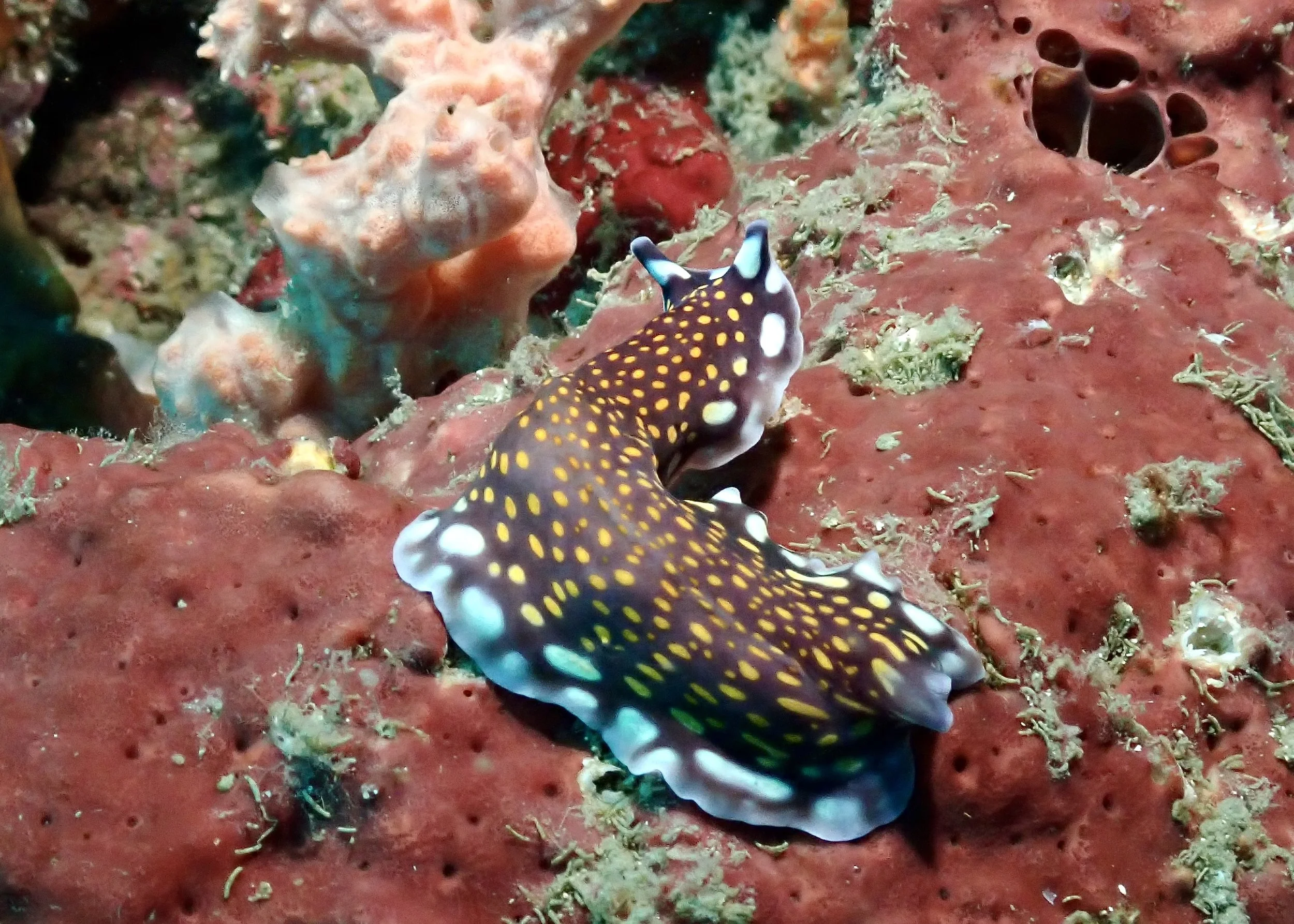
Not actually a nudibranch, this is a marine flat worm
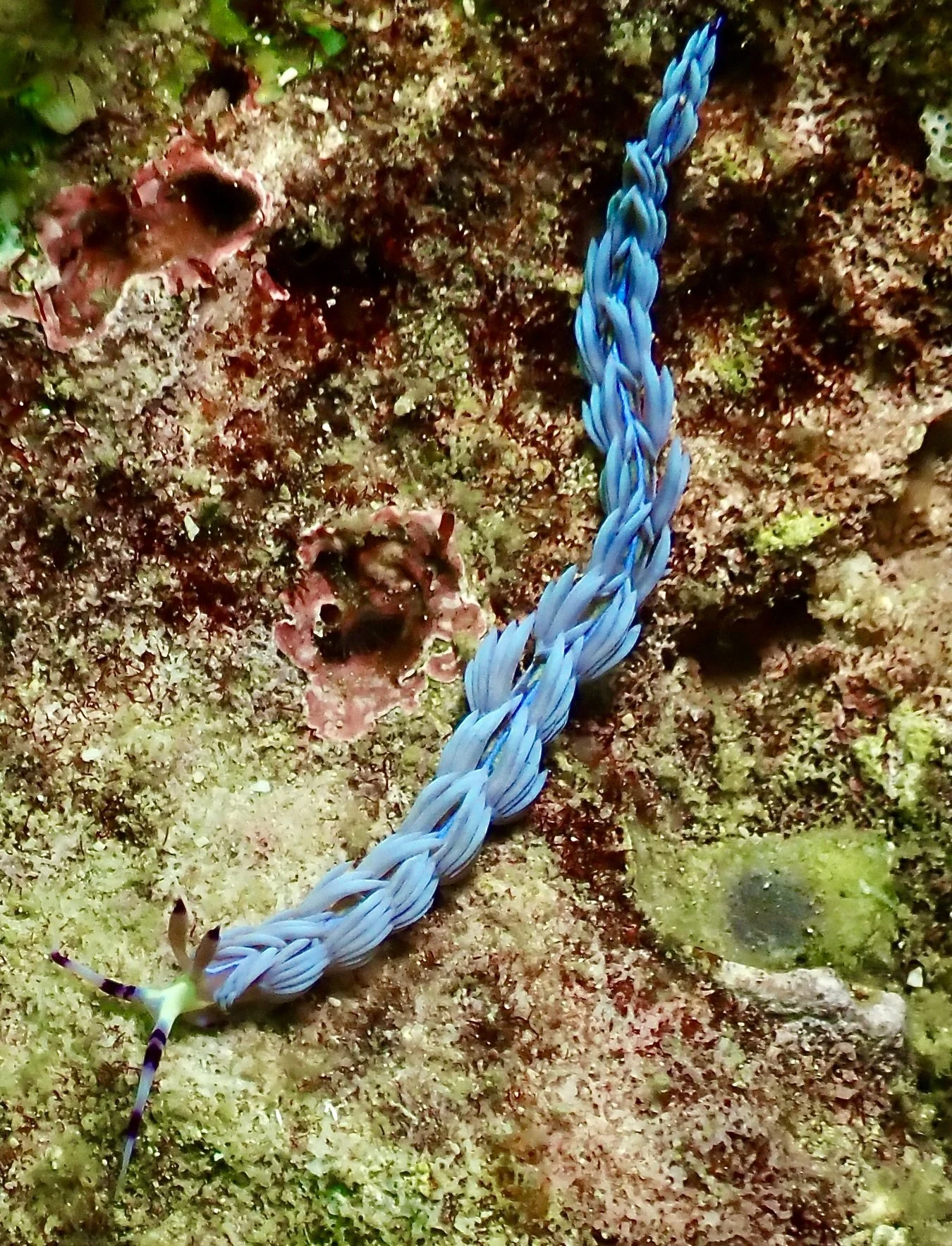
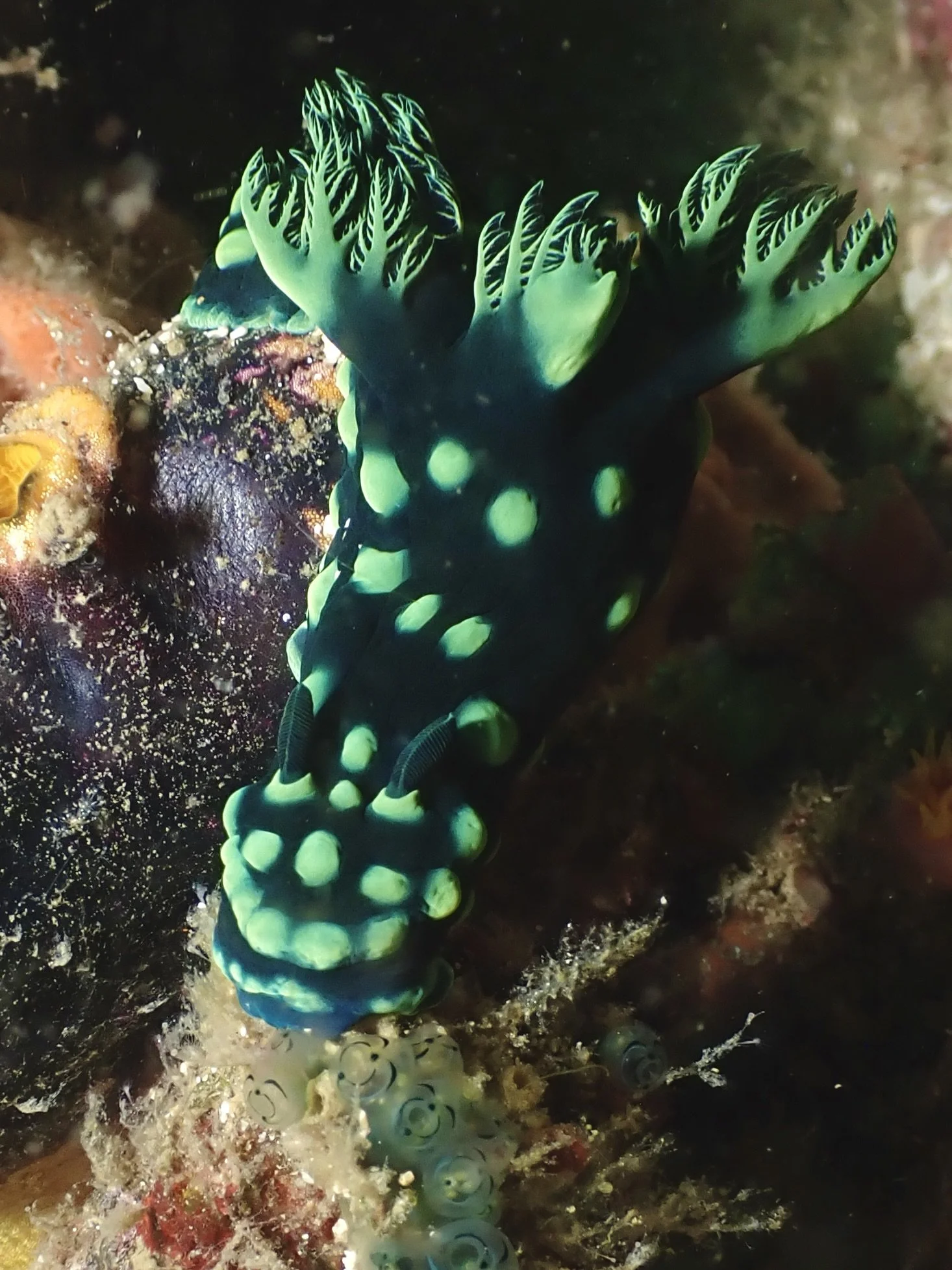
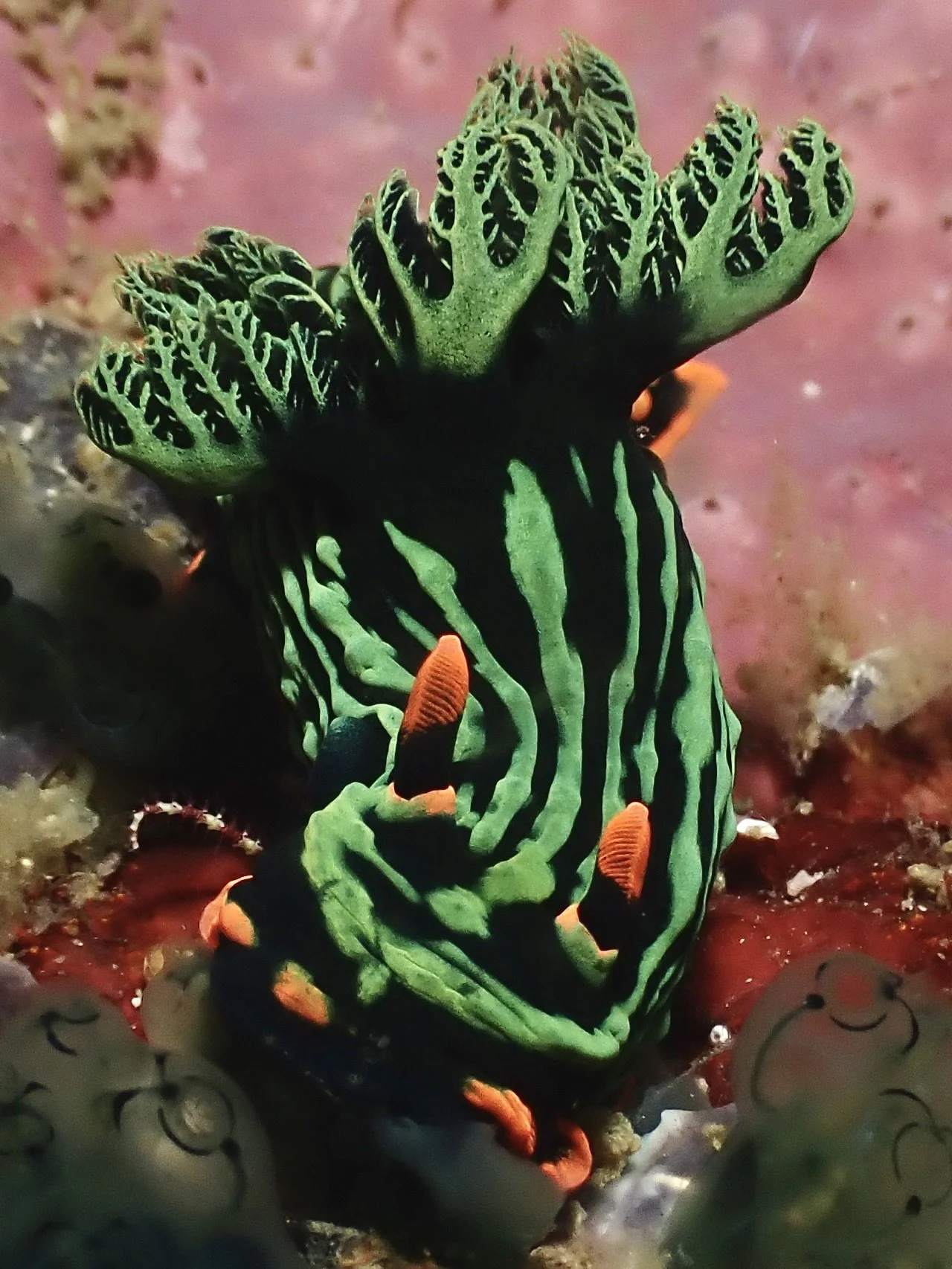
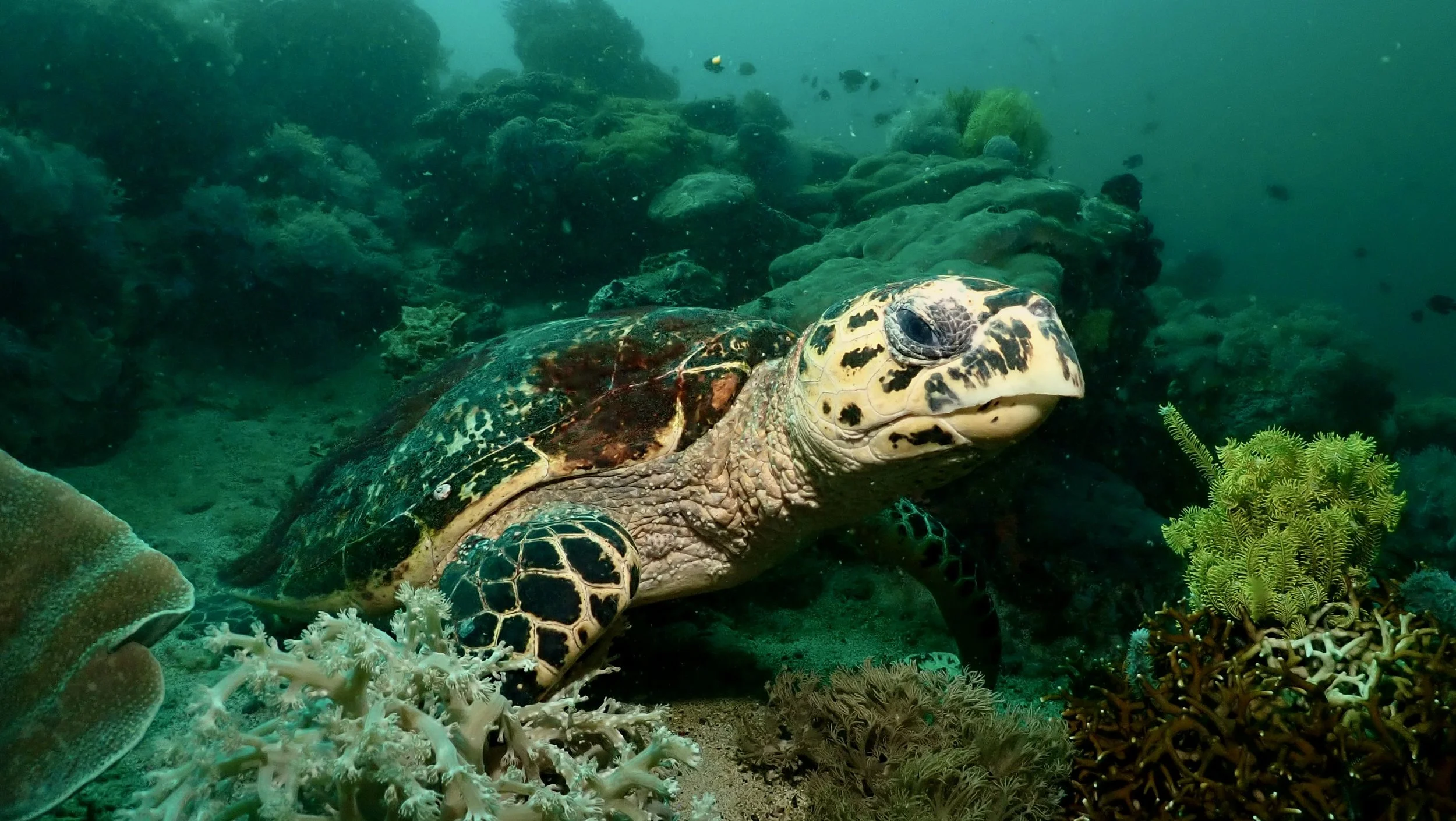
Hawksbill Turtle chilling
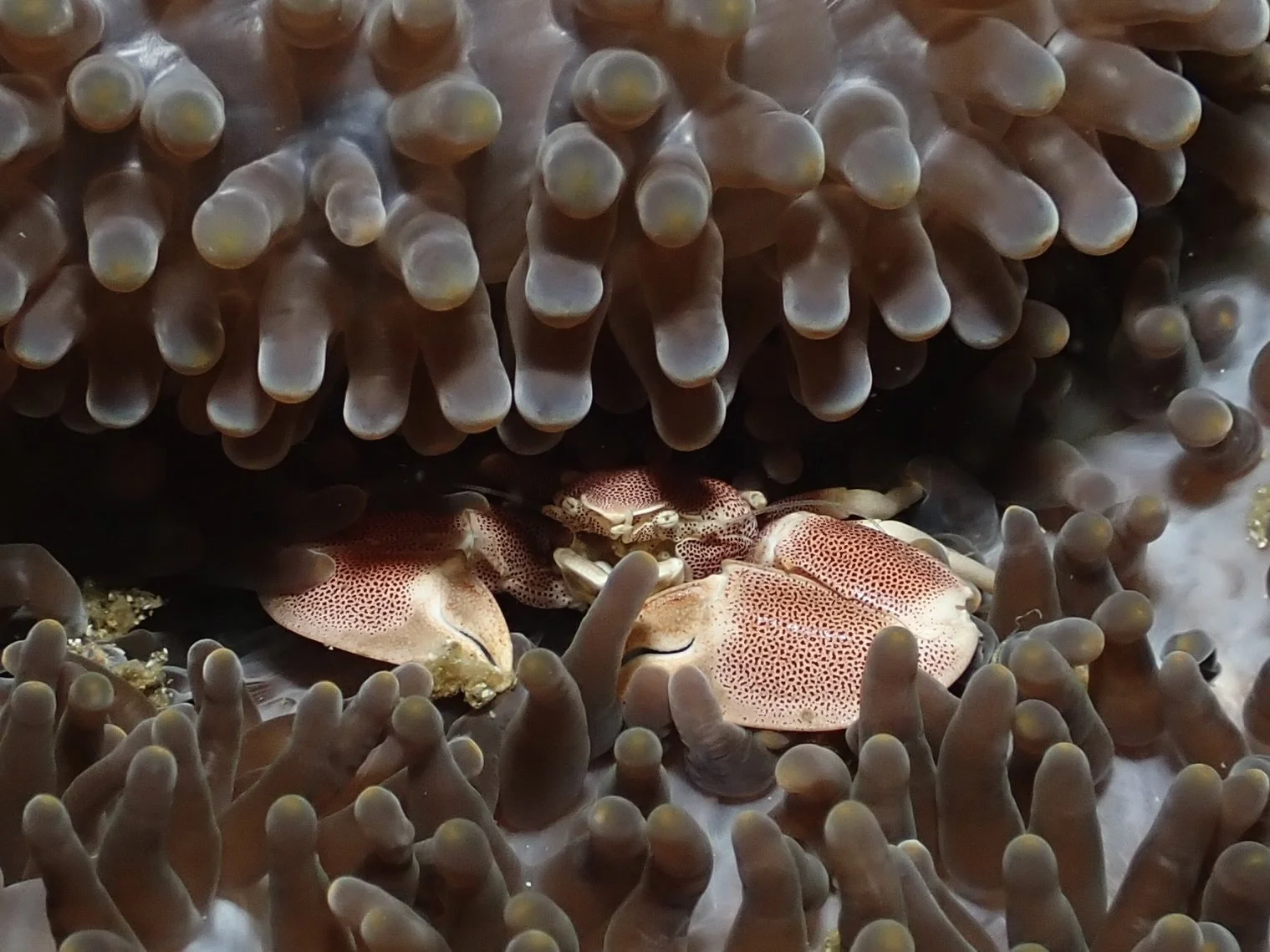
Porcelain Crab
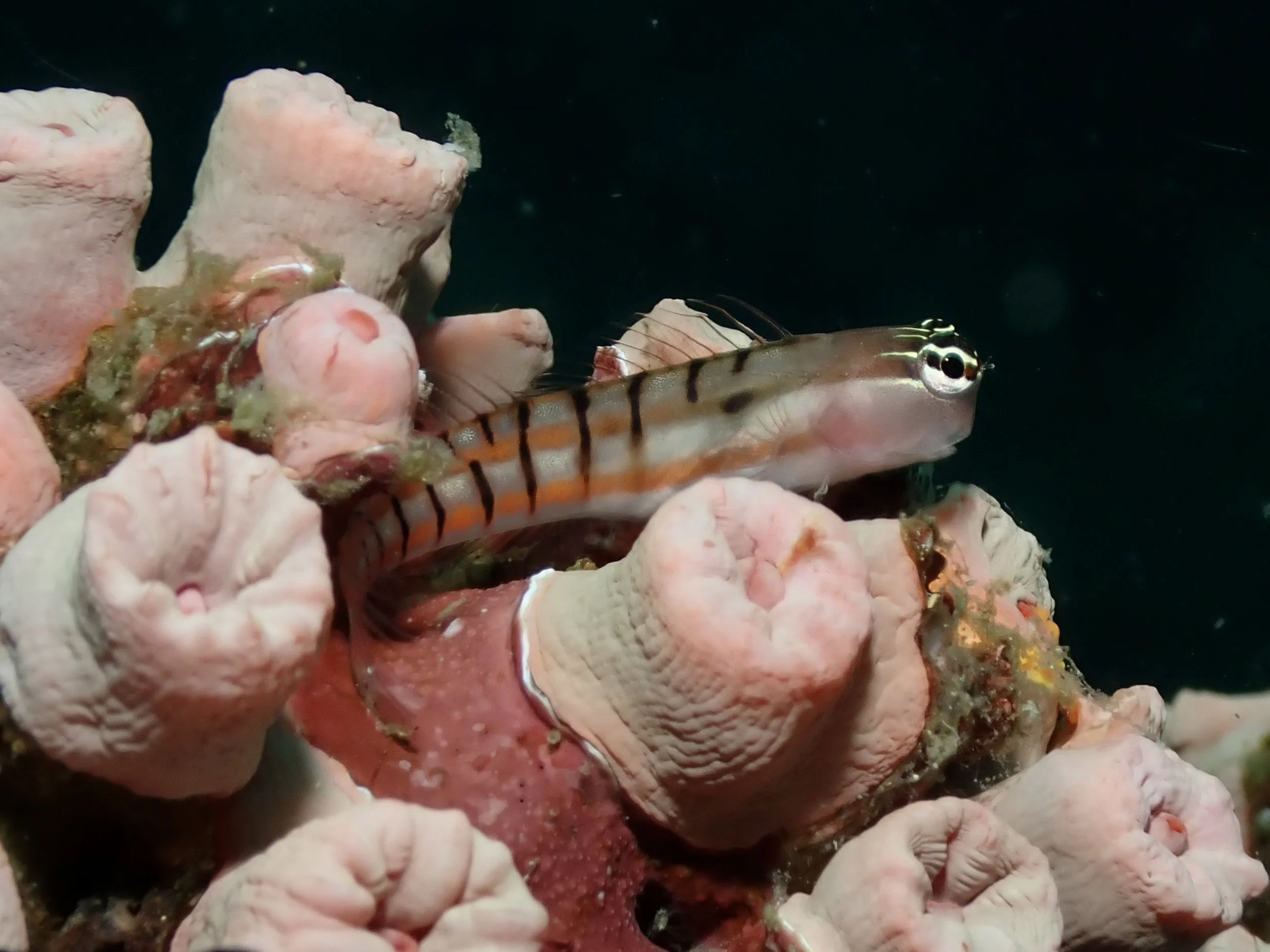
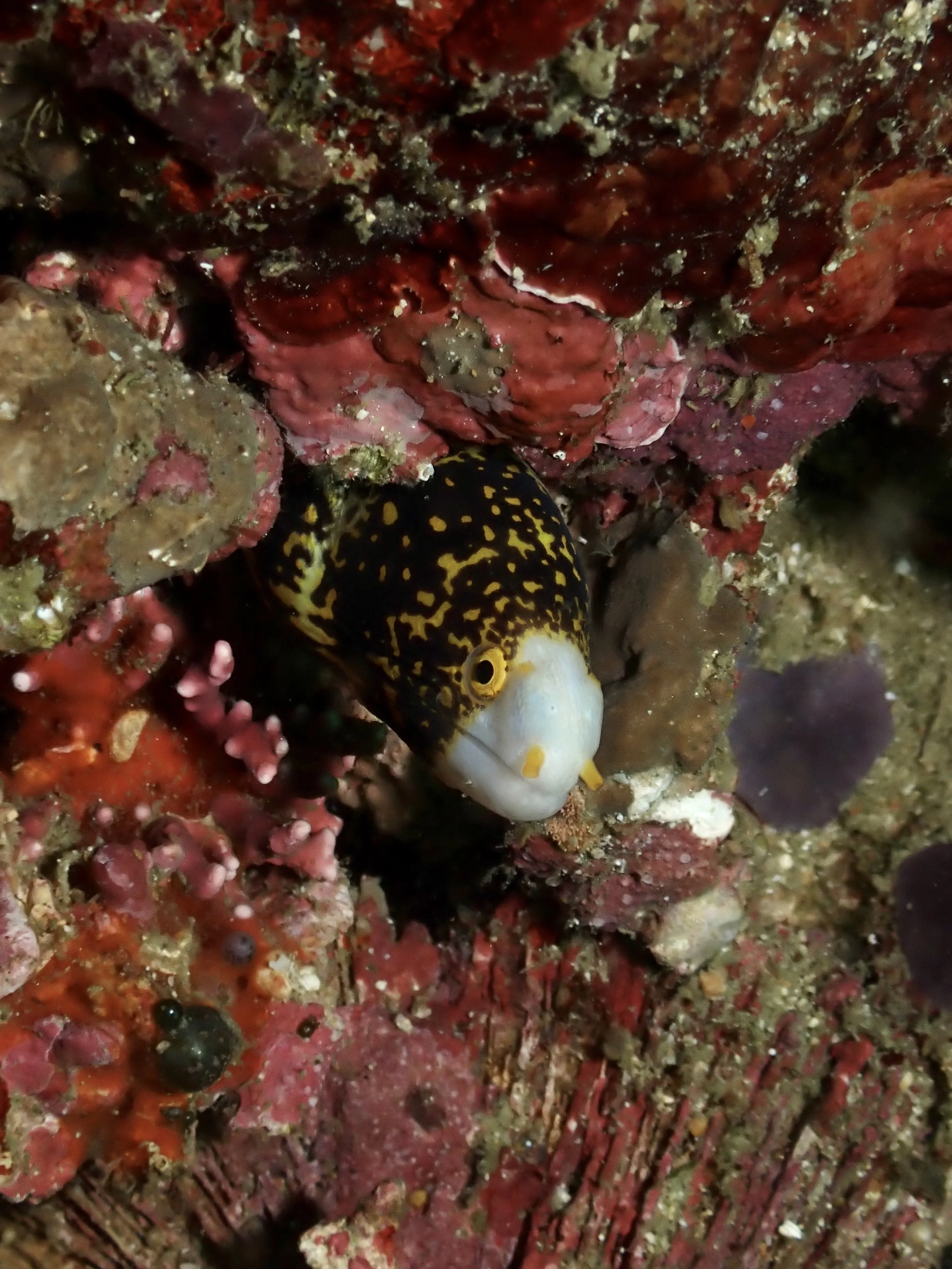
Snowflake Moray
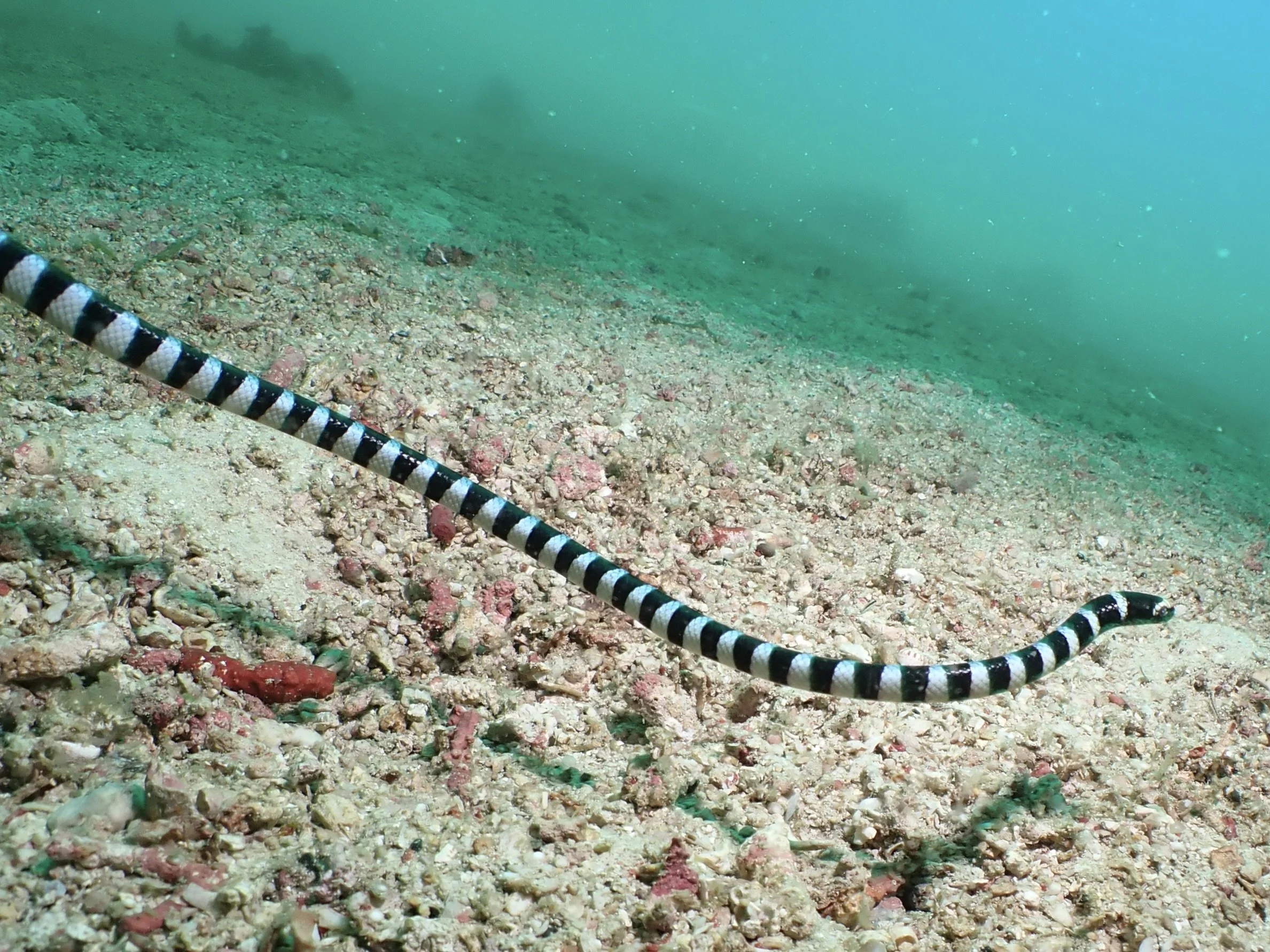
Banded Sea Snake
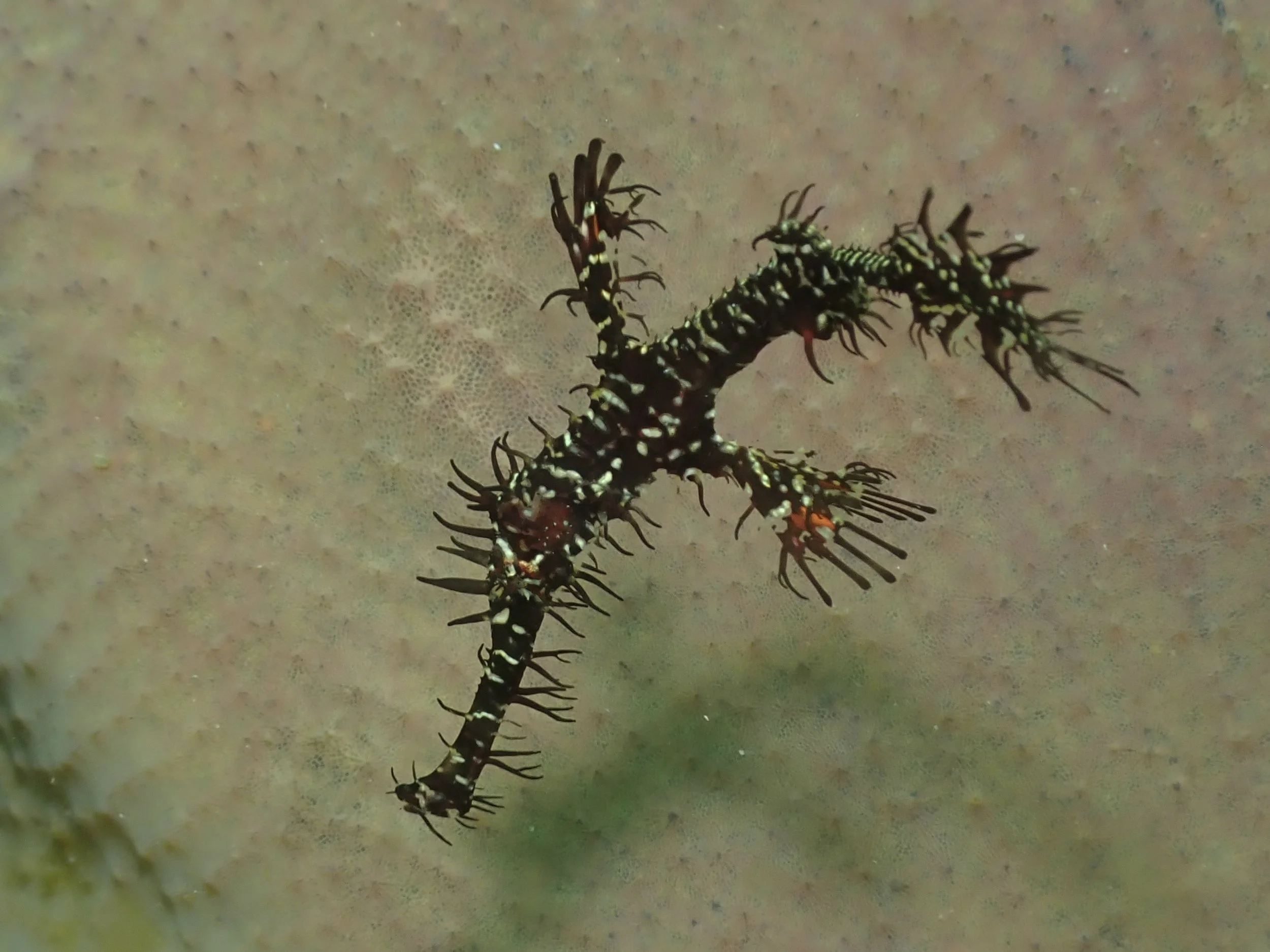
Ghost Pipefish
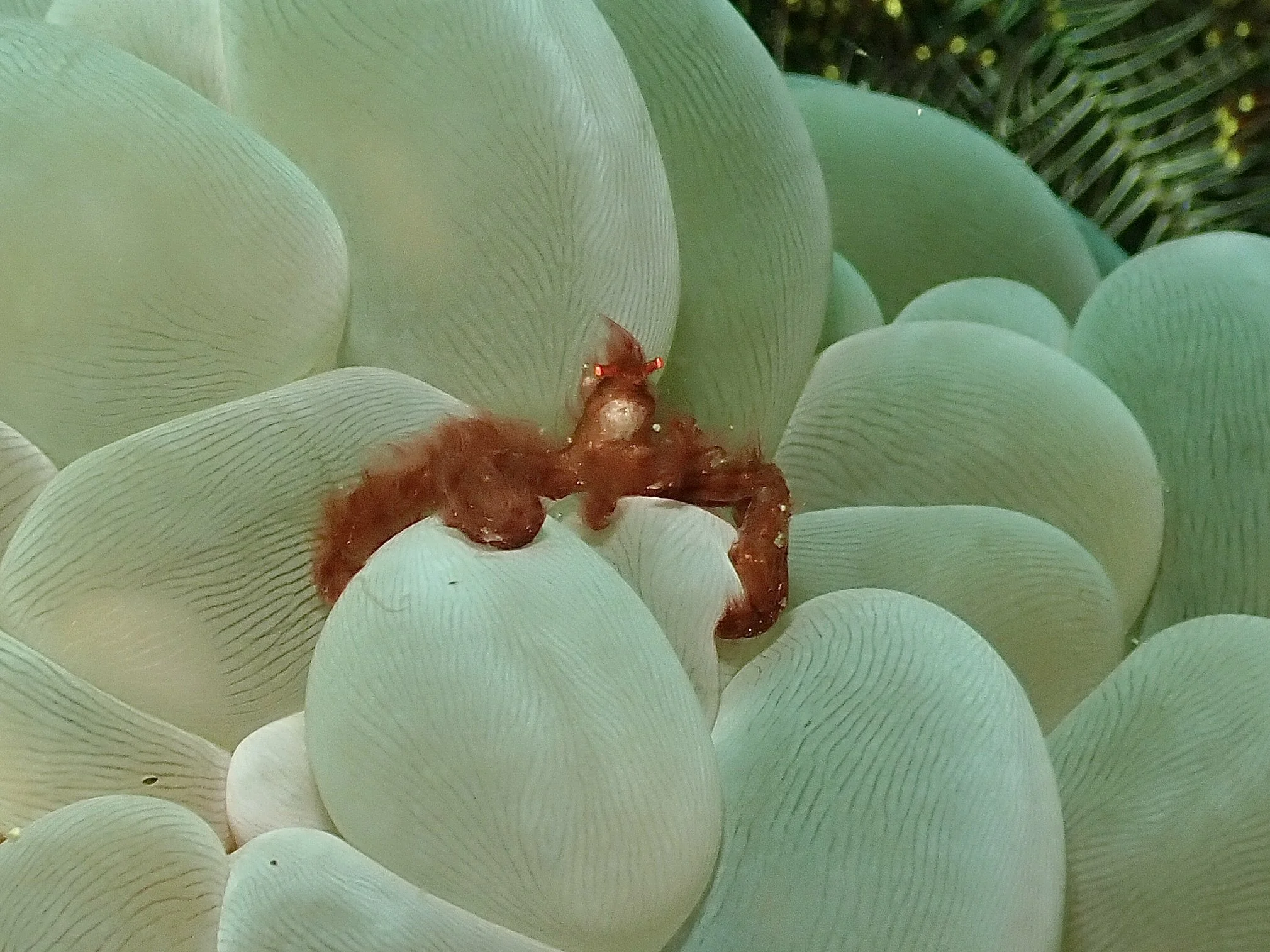
Orangutan Crab in Coral
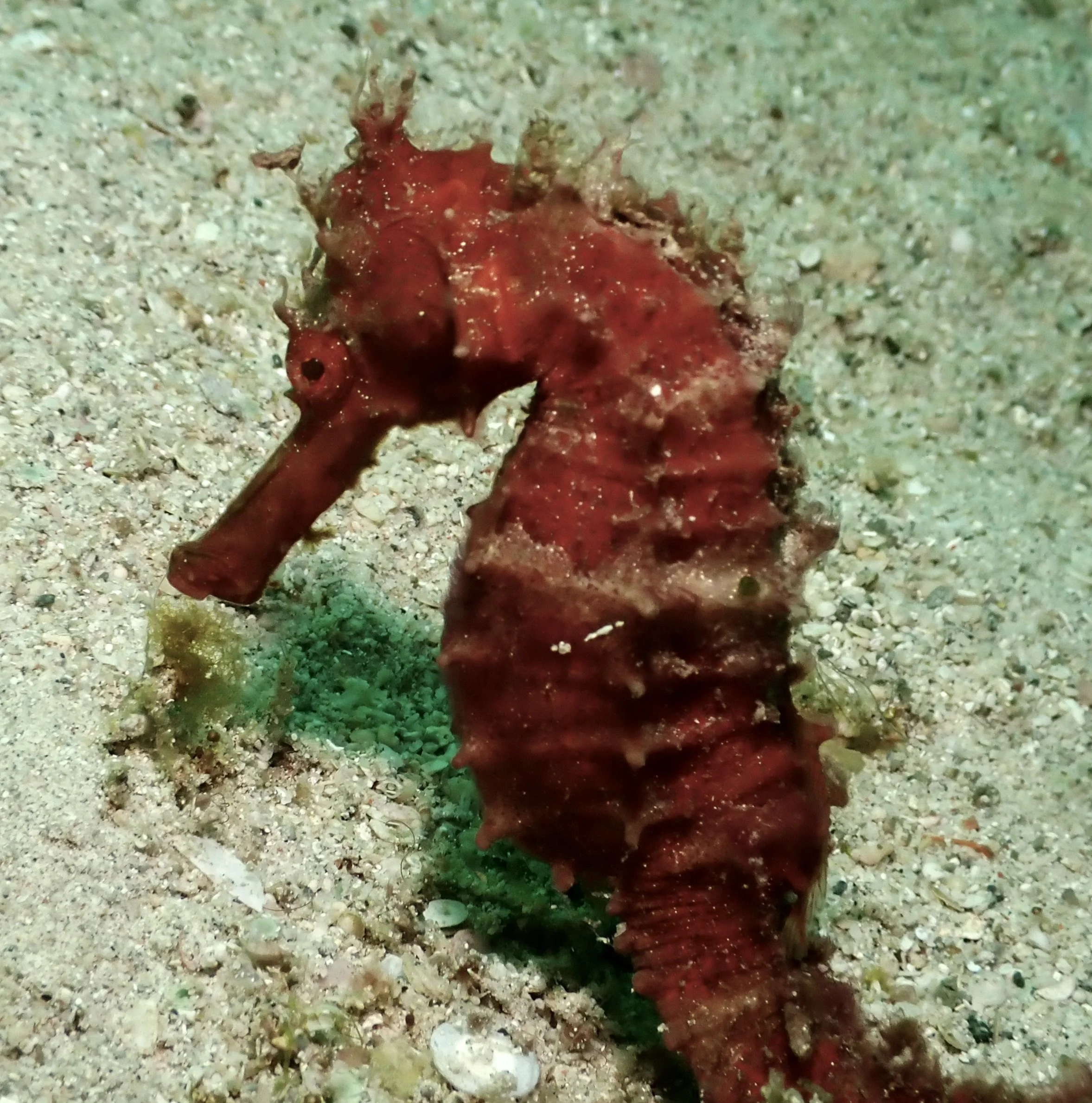
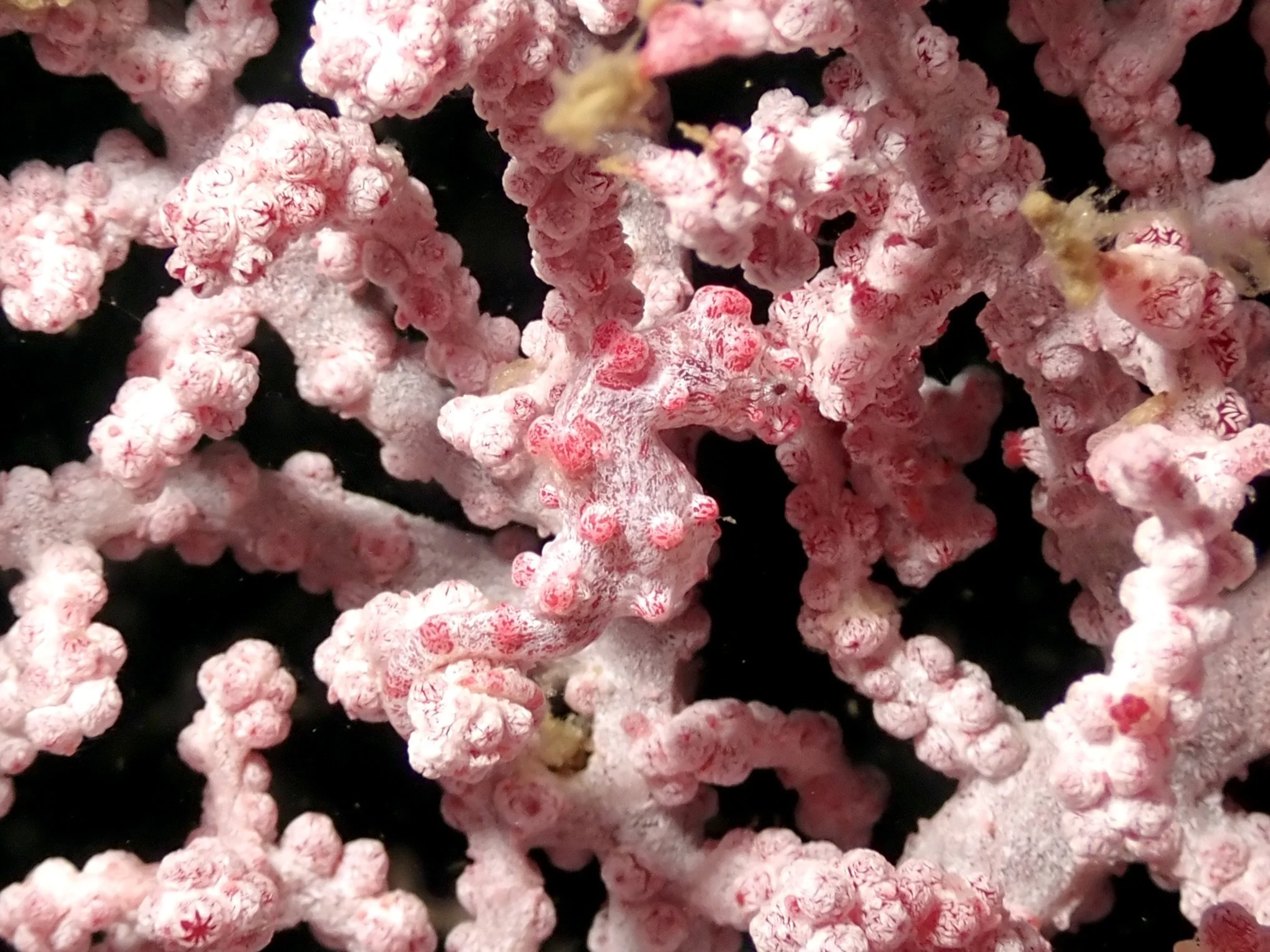
Pygmy Sea Horse
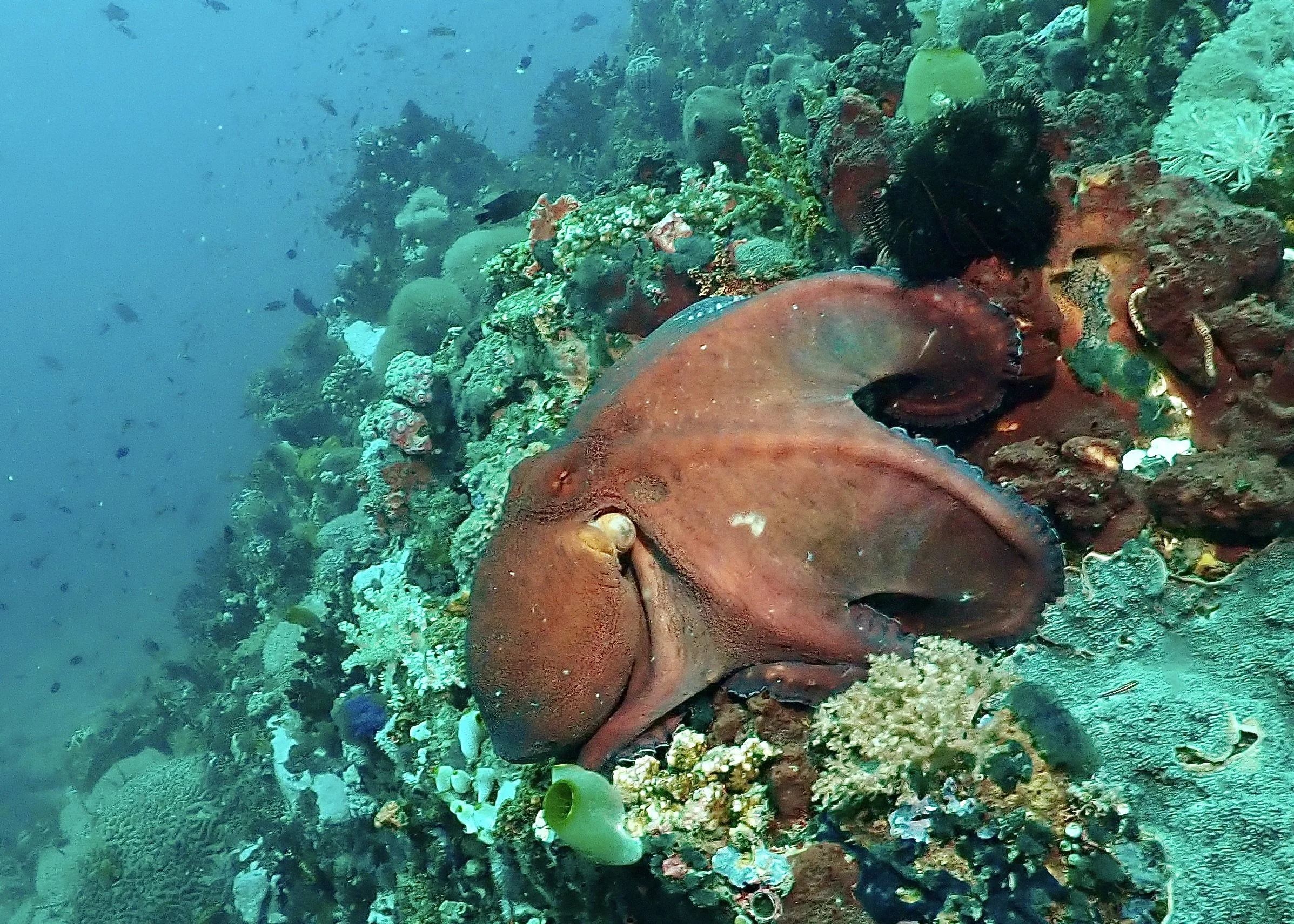
Octopus hunting on Verde Island