Make it stand out
Battleship Nagato
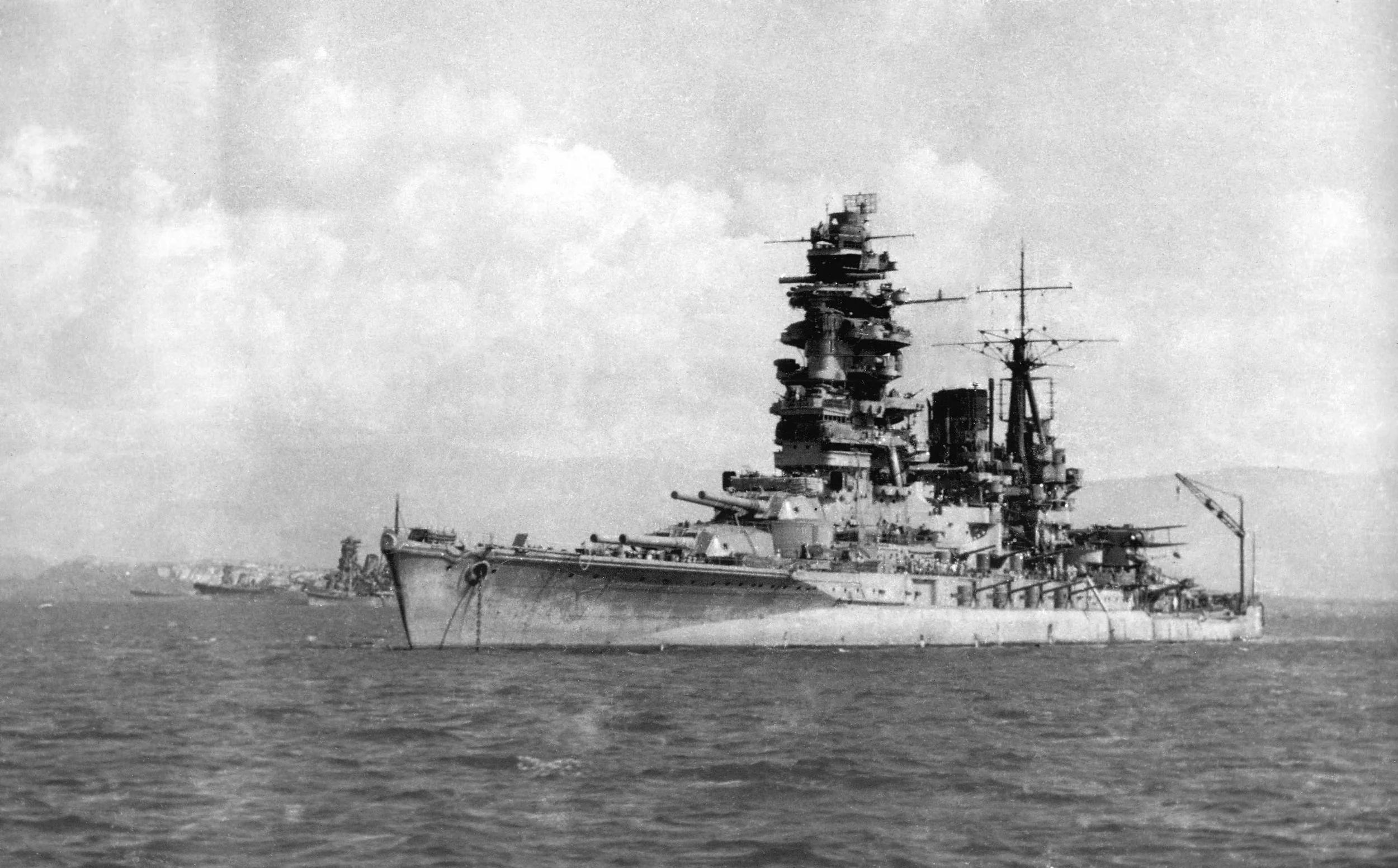
When the super dreadnought Nagato was launched in 1920 she was one of the most powerful warships afloat and the pride of the Imperial Navy. The Nagato was massive, 708 ft long, 95 ft wide, and 40,000 tons. Her armor was over 12” thick. She was also the first battleship in the world to be armed with 16” Guns. She carried 8 of these massive guns, each one of which was capable of launching artillery shells weighing 2,200 lbs a distance of 20 miles. Much of the Japanese Naval strategy in the 1920’s and 1930’s was centered around bringing an enemy fleet into range of the Nagato large guns.
In 1941 the Nagato served as the flagship for Admiral Isoroku Yamamoto. It was from the Bridge of the Nagato where Admiral Yamamoto issued the famous order, “Climb Mount Niitaka”; a code for the Japanese carriers to launch their attack on Pearl Harbor. Ironically this was the high point of the Nagato’s carrier. The attack on Pearl Harbor signaled the end of the era of the great battleships. Aircraft carriers, submarines and destroyers would play a far more important roll in the pacific war. The Nagato with her massive guns, and towering pagoda masts would spend much of the war in harbor, waiting for a type of battle that had become obsolete. Her guns would only be used against enemy vessels once, late in the war at the battle of Leyte Gulf. The Nagato and the remaining Japanese battleships engaged a fleet of American destroyers and escort carriers in a last ditch effort to stop the American invasion.
Somehow the Nagato survived the war and was surrendered to the allies in 1945. Her selection as a target ship for Operation Crossroads was an easy one for navy planners. Sinking the only surviving Japanese Battleship in an atomic blast would symbolically demonstrate the destruction of the Japanese navy. Not surprisingly she placed near the center of the second atomic bomb test, Baker.
The Baker Blast was triggered just 870 meters from the Nagato, and immediately send a tsunami of radioactive water crashed into the ship. However even that was not enough to sink her. It would take 5 days before the Nagato finally sank, in the middle of the night.
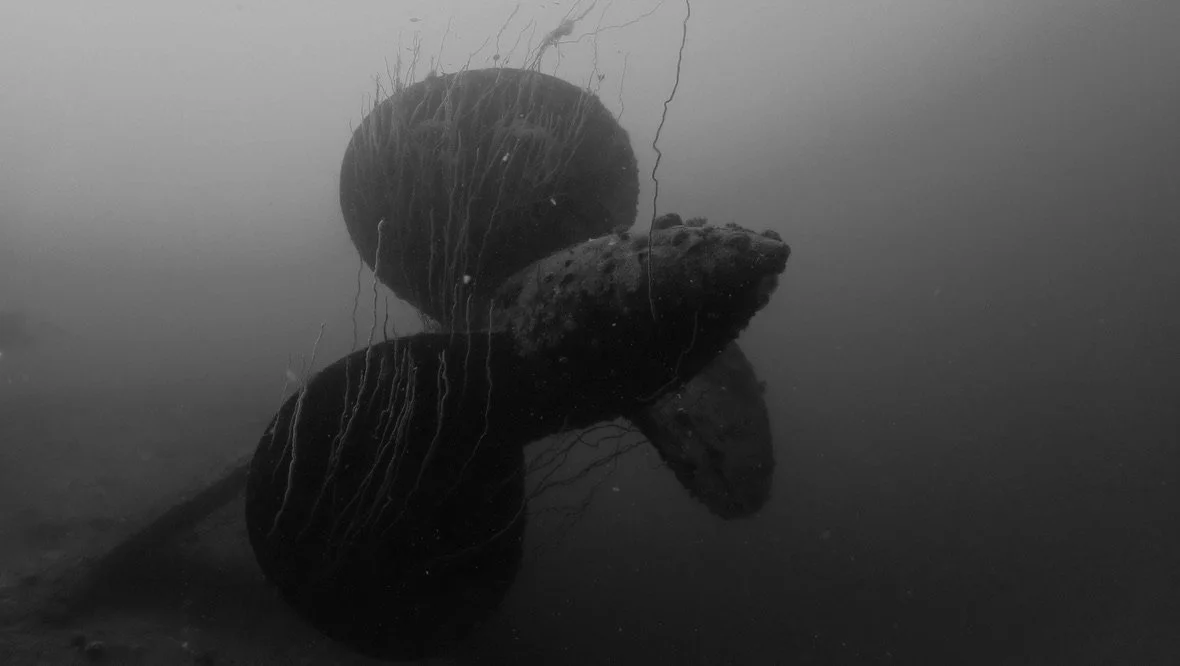
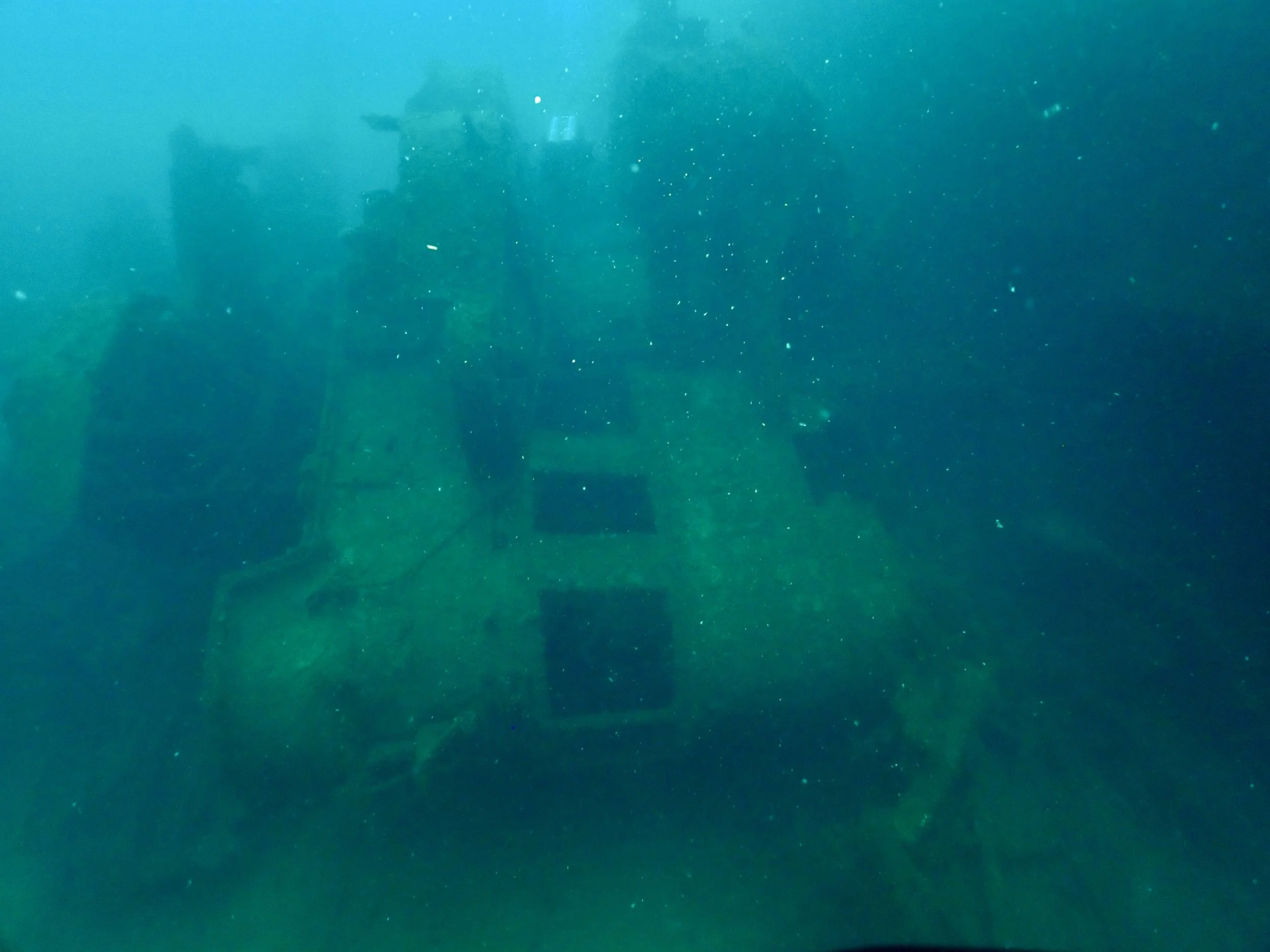
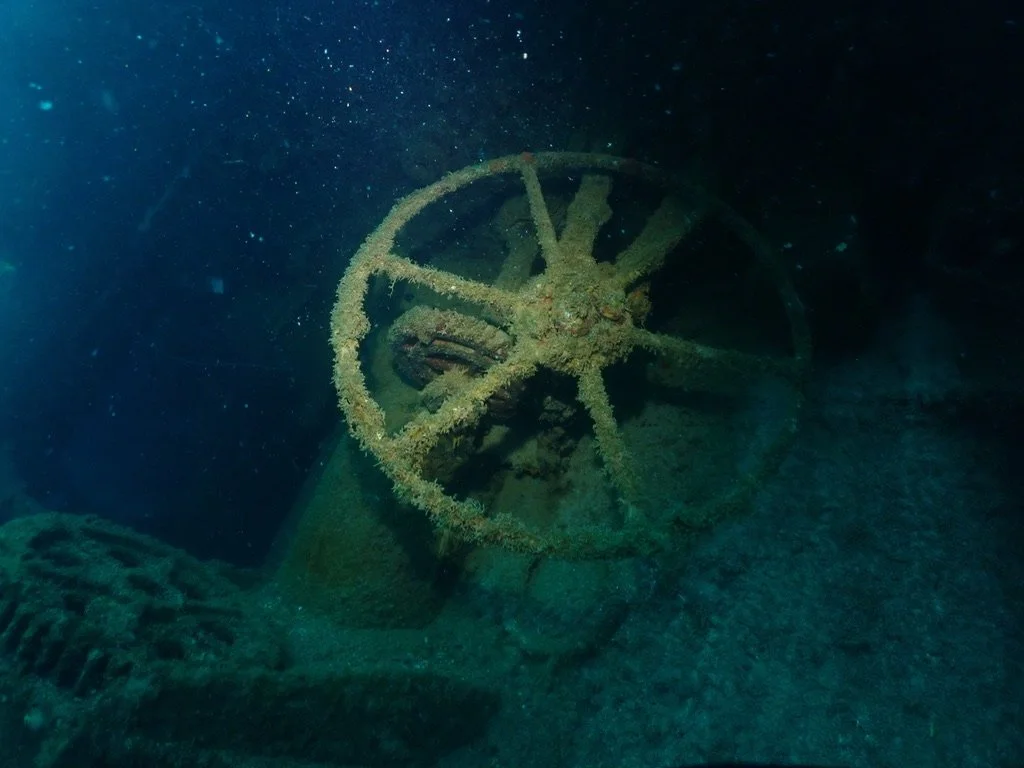
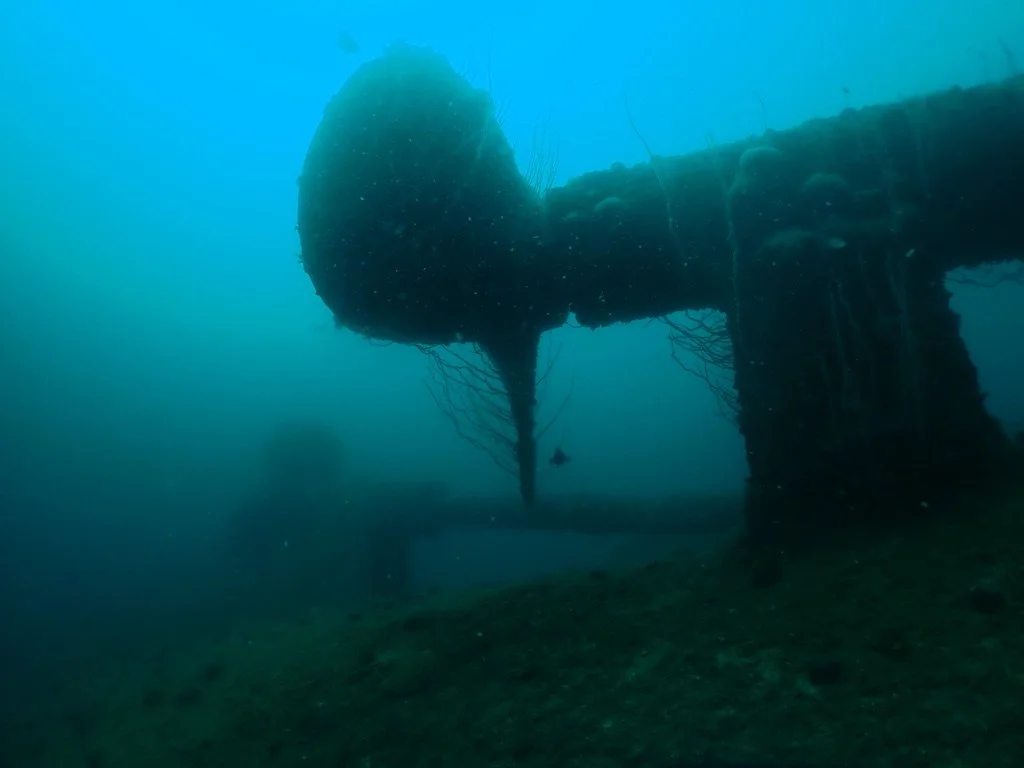
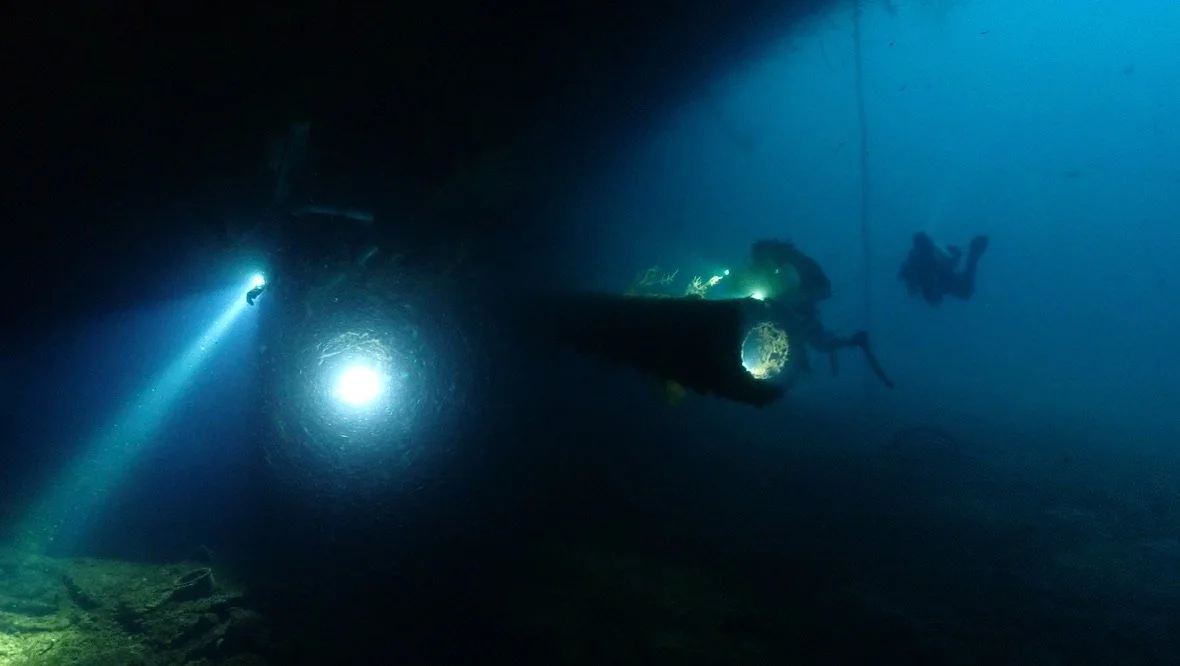
Today the Nagato lies upside down in 175 ft of water. Descending onto the Nagato the first sight is the ships massive propellers which rise to within 110 ft of the surface. The hull is so large that descending down the sides feels like doing a wall dive. Everything about this wreck feels large, and the scale of it is incredible. Even though the Nagato is upside down, there is enough of a list that it is possible to swim under her main deck and view the massive 16” guns. The Pagoda mast, along with the ship’s bridge, snapped off and lie in the sand on the port side of the ship. There are a few points where it is possible to enter the Nagato and on our three dives we were able to find the ships galley, including large rice makers that are hanging precariously from the floor (now the ceiling), and the stern officers cabins and bathroom. The wreck was also the most sharky of the dives we did in Bikini, a few curious grey reef sharks swam by us while we were exploring.