Submarine Wrecks of Bikini Atoll
USS Pilotfish & USS Apogon
The Submarines
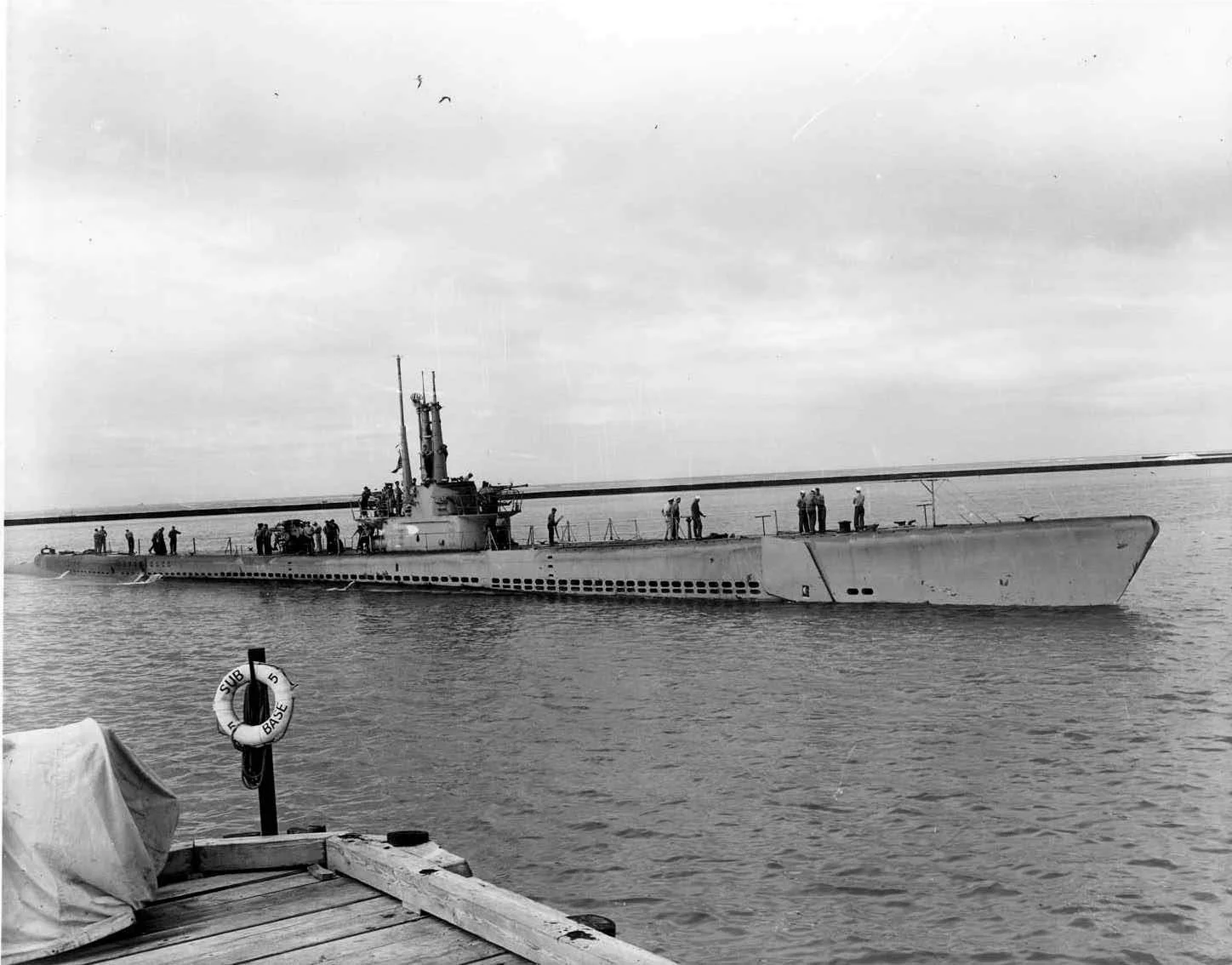
When people think of submarines in World War II, the first that usually come to mind are the German U-boats. However, the U.S. Navy had its own large and effective submarine fleet, which played a major role in bringing the war to Japan. The Apogon and Pilotfish were two such submarines.
At the outbreak of the war, the United States faced a major strategic dilemma: how to fight an island nation spread across half an ocean, on the far side of the world. One of the key solutions was the submarine. Learning from the commerce-raiding tactics the Germans used against the Allies, the U.S. began building submarines and deploying them to target Japanese shipping.
Japan was uniquely vulnerable to submarine warfare because of its dependence on imported oil and raw materials from its empire. During the war, the Allies sank more than 2,100 Japanese merchant ships, with U.S. submarines accounting for 56% of those losses. The destruction of so much merchant shipping crippled Japan’s war effort—its industries could no longer get the oil, food, and raw materials they needed, and Japanese garrisons on distant islands and in mainland Asia were cut off from resupply, reinforcement, and evacuation.
This success came at a steep cost. One in every five American submarines never returned from patrol. Operating deep in enemy territory—off the coasts of Japanese naval bases and even the home islands—U.S. submarines were highly vulnerable to attacks from destroyers and aircraft. By the end of the war, 52 American submarines and 3,500 crew members had been lost—the highest casualty rate of any branch of the U.S. armed forces during World War II.
After the war, the U.S. Navy still had more than 200 submarines in its fleet. Eight of these were later designated as target ships for Operation Crossroads, the series of nuclear tests conducted at Bikini Atoll. One of the Navy’s objectives was to study the survivability of submerged submarines during a nuclear explosion. Both the Pilotfish and Apogon were submerged when the “Baker” test detonation occurred and were sunk by the resulting underwater pressure wave.
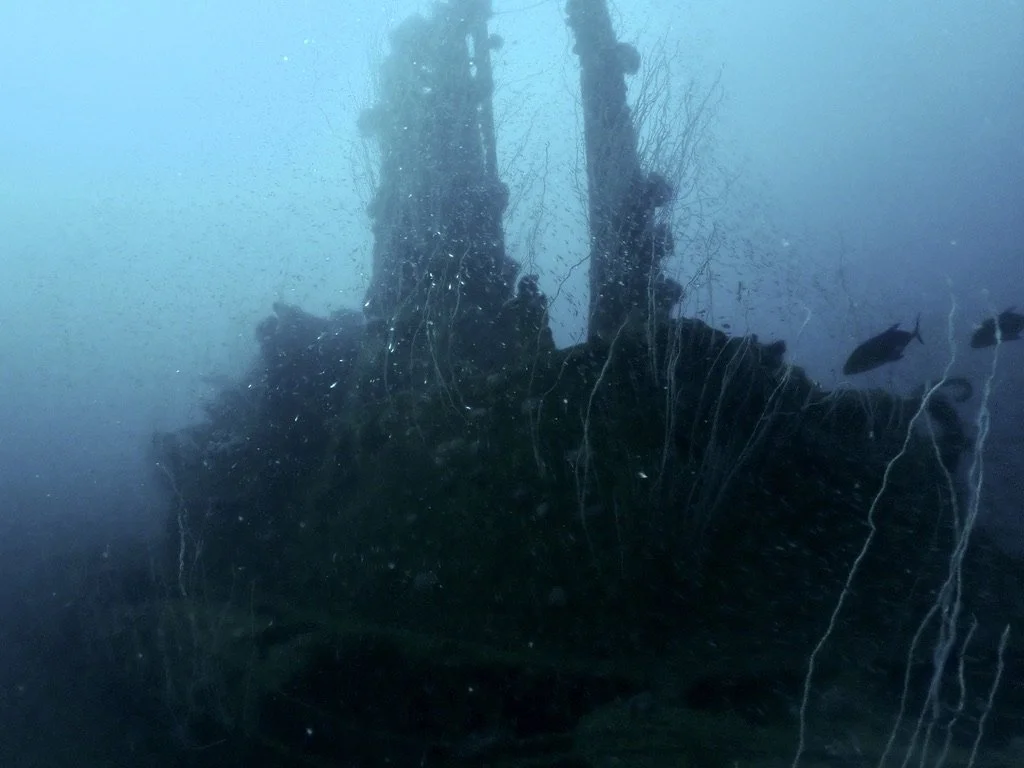
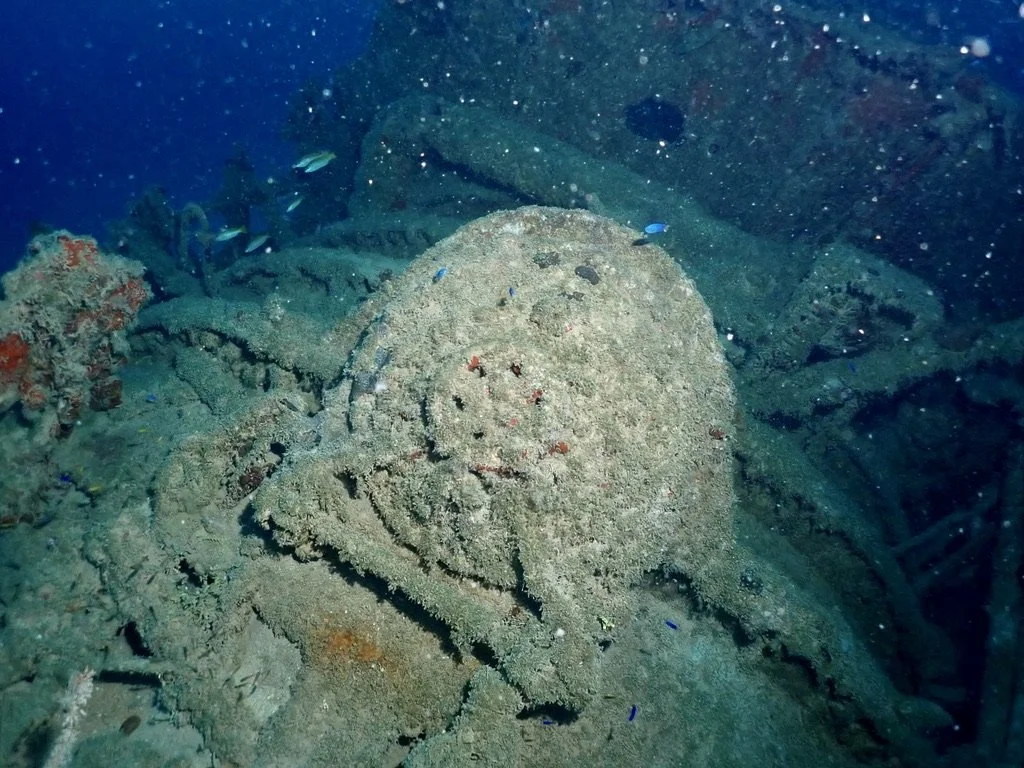
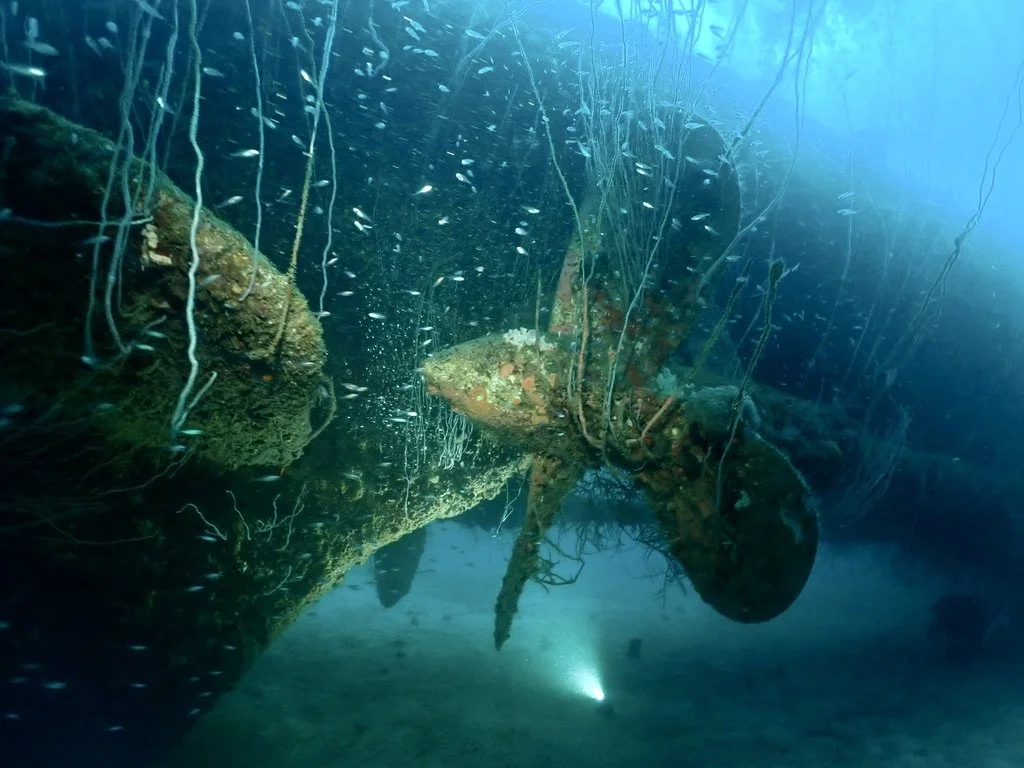
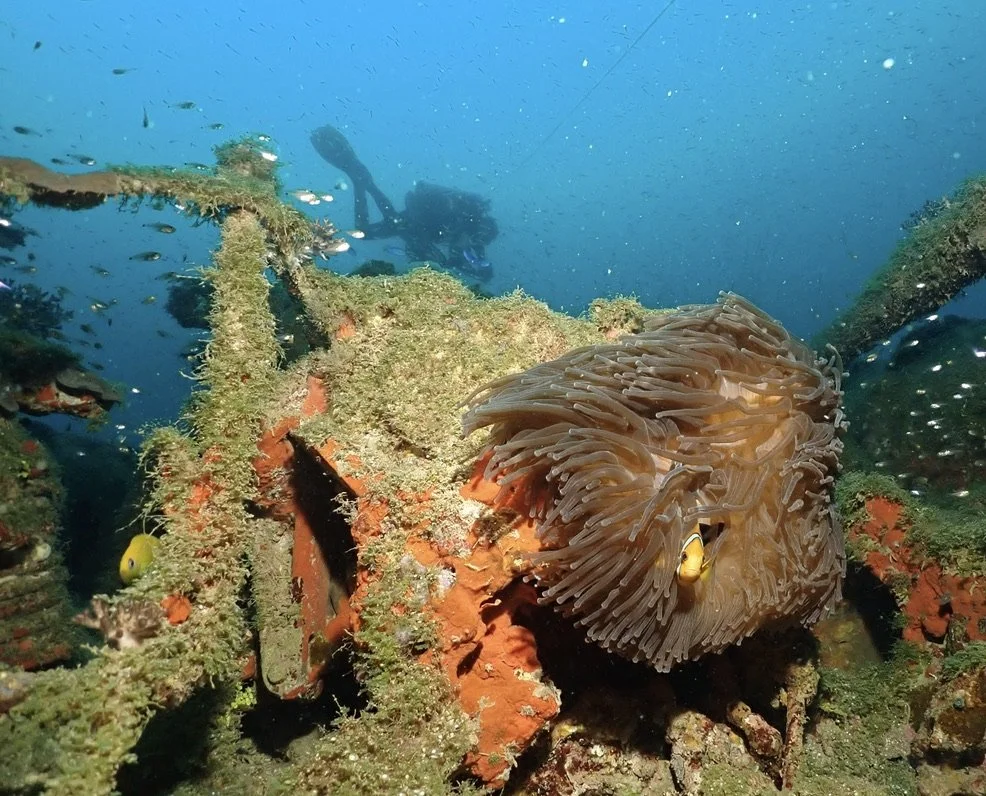
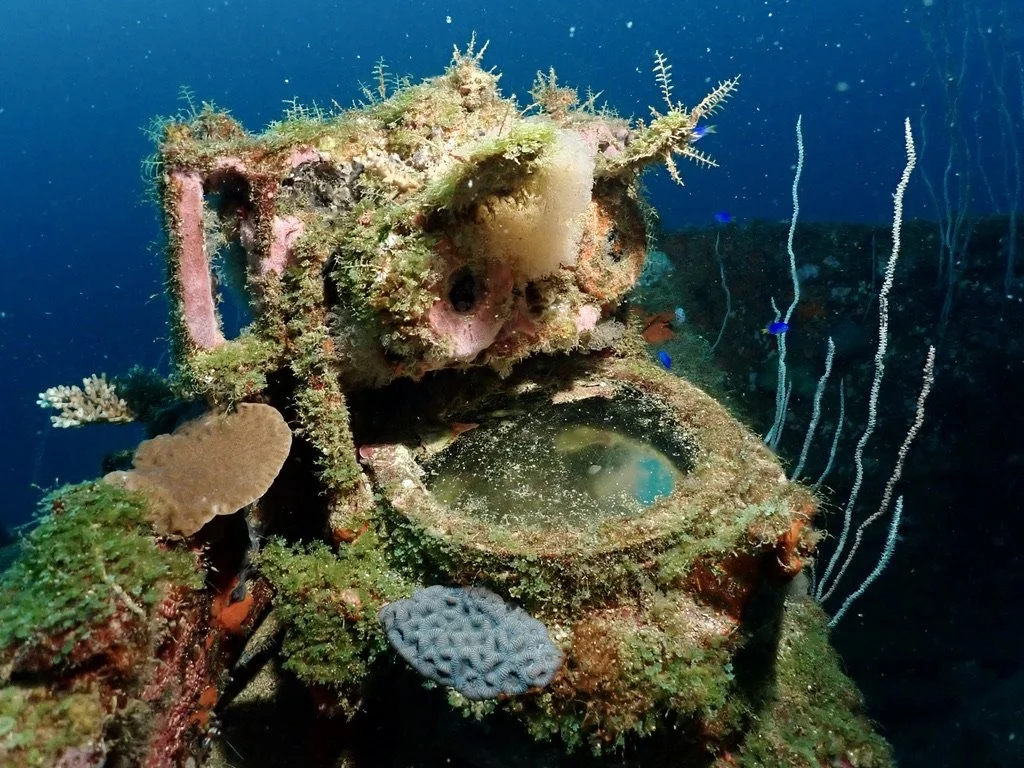
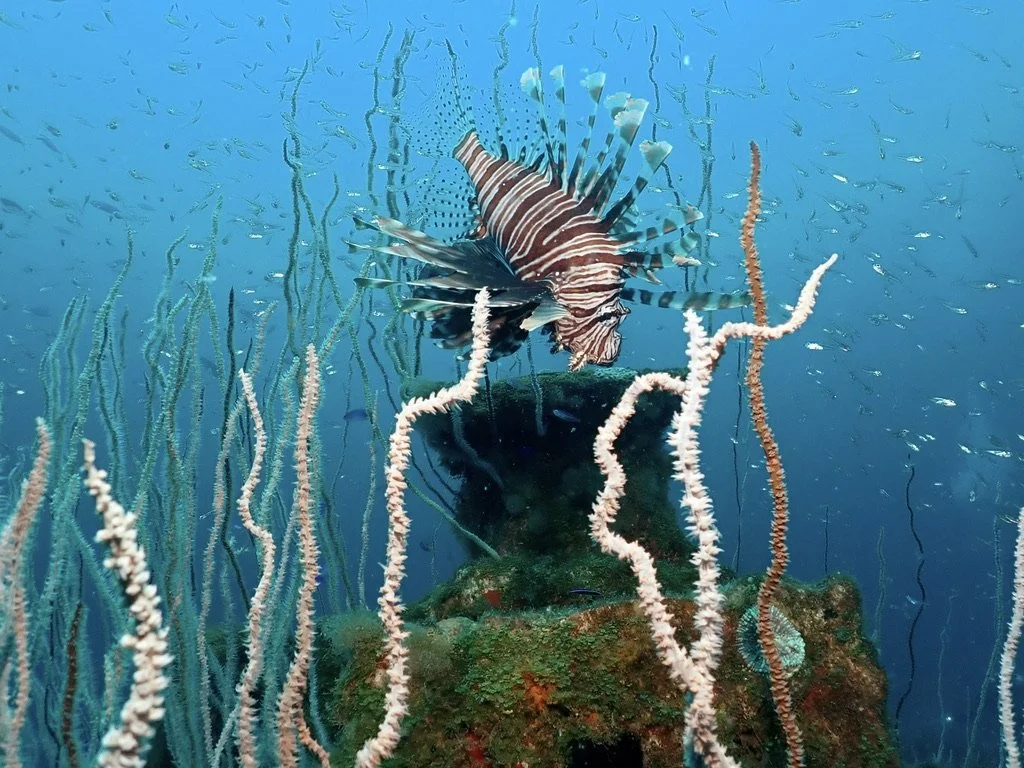
Today, both submarines rest upright and largely intact on the lagoon floor at a depth of about 150 feet. Much of their outer hull and decking has been stripped away, but their overall structure remains. The two are identical Balao-classsubmarines—each 311 feet long and 27 feet in diameter. The only major difference between them is that the Pilotfish’s stern propellers are buried in the sand, while the Apogon’s remain exposed and can be fully explored.
Each submarine can be visited in a single dive. Because they were sealed before the tests, there are no safe or practical entry points. I’m sure someone has tried at some point, but our dives focused entirely on exploring their exteriors.